
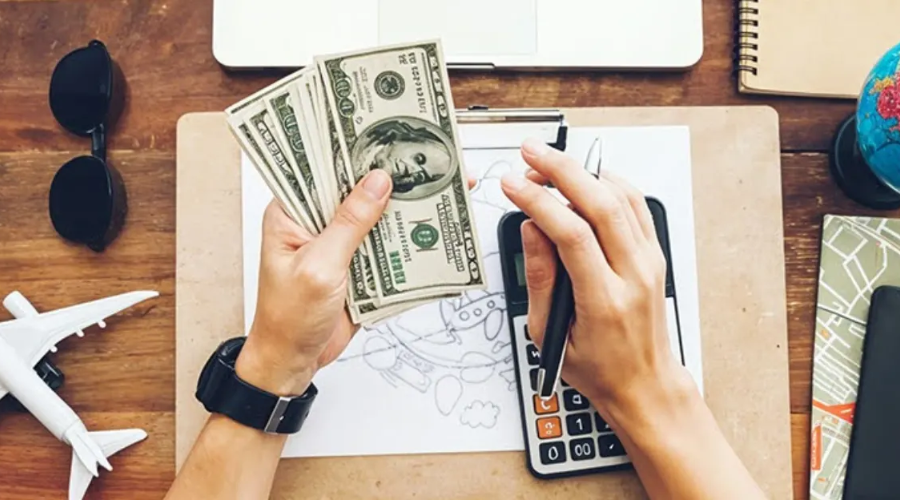
One of the most exciting parts of traveling is the feeling of freedom — exploring new places, indulging in local foods, shopping in bustling markets, and collecting memories along the way. But as many travelers eventually learn, financial surprises can quickly turn a dream trip into a stressful one. Exchange rate shocks, unexpected bank charges, overspending, and poor currency planning can drain funds faster than anticipated. And the worst part? Most of these problems are preventable with smart budgeting and currency management.
This guide isn’t about restricting spending — it’s about maximizing every dollar (or euro, yen, or peso) so you enjoy more experiences with less stress. With a few practical strategies, travelers can stretch their budget, avoid unnecessary fees, and stay fully in control of their money from takeoff to landing and back home. Let’s explore how to make smarter travel spending easy and enjoyable.
Planning Your Currency Budget Before You Travel
Estimate Your Total Trip Costs with Realistic Numbers
Budgeting doesn’t mean limiting fun — it means anticipating it. Before traveling, list your expected expenses:
- Flights and transportation
- Accommodation
- Daily meals and snacks
- Local travel (taxis, trains, buses)
- Activities, tours, and entrance fees
- Shopping and souvenirs
- Emergency funds
Instead of guessing, research average local costs. For example, dining out might be cheaper in Southeast Asia but pricey in Scandinavia. When you understand cost trends before you go, budgeting becomes more accurate and stress-free.
Track Real-Time Currency Exchange Rates
Exchange rates change constantly. Depending on the timing, travelers can lose or save significant money. Apps, banks, and currency platforms allow monitoring exchange rates weeks before departure. When a favorable rate appears, you can exchange part of your budget in advance rather than waiting until you’re forced to convert at a poor rate during the trip.
Choose the Best Way to Carry Money Abroad
The smartest strategy is diversification — avoid relying entirely on one method. A balanced combination may include:
- Local currency in cash
- International debit or travel-friendly cards
- Credit cards with no foreign transaction fees
- Digital wallets and mobile pay options where accepted
Carrying only cash is risky, and using only bank cards can lead to problems in cash-based economies. A mix ensures flexibility and safety.
Understand Hidden Bank and ATM Fees
Banks don’t always make it obvious — but international ATM withdrawals and foreign card usage often trigger:
- Foreign transaction fees
- Dynamic currency conversion (DCC) fees
- ATM operator fees
- International card charges
Before you travel, check fee schedules and choose cards designed for global use. Many modern travel cards offer zero foreign transaction fees and partner with international ATM networks.
Allocate a “Daily Spend” Safety Cushion
Set a daily spending estimate based on your budget — and then add a small safety margin. Maybe you’ll want an unplanned spa treatment or spot a craft market with irresistible souvenirs. A small safety allowance helps you spend joyfully without guilt.
Smart Money Habits While Traveling to Avoid Overspending
Use Local Currency Whenever Possible
Many shops, hotels, and restaurants allow travelers to pay in their home currency. It seems convenient, but costs more because of DCC — an additional fee added quietly into the exchange rate. Choosing to pay in the local currency almost always saves money.
Take Out Larger ATM Withdrawals Less Frequently
Withdrawing cash repeatedly can multiply fees. A better solution:
- Withdraw larger sums fewer times
- Store cash securely in different locations (not all in one wallet)
You reduce charges while staying financially prepared throughout your trip.
Track Expenses with Light Monitoring, Not Obsessive Calculation
The purpose of budgeting is not to eliminate fun — it’s to eliminate surprises. An easy method:
- Track spending quickly each night before bed
- Use a travel budget app or notes on your phone
- Compare daily totals to your planned allowance
When you track regularly, spending becomes intentional instead of accidental.
Choose Food and Experiences Wisely Without Sacrificing Enjoyment
Money-saving doesn’t equal limiting experiences. Smart travelers know small tweaks add up:
- Enjoy breakfast at local cafés instead of hotels
- Eat where locals dine instead of tourist areas
- Buy passes for public transit rather than single fares
- Use city passes for discounted attractions when applicable
Instead of sacrificing, you actually immerse more deeply into authentic local life.
Negotiate and Shop Respectfully Where Bargaining is Customary
In many destinations, bargaining is part of the culture. It’s not about tightening the wallet, but enjoying the social ritual. Observe locals, follow cultural norms, and negotiate with friendliness — it can be both fun and financially rewarding.
Avoid Peak-Tourist Spending Traps
There are predictable spending traps in every destination:
- Hotel minibars
- Airport food and drinks
- Shops in major tourist squares
- Taxi rides without meters
- “Urgent” souvenir photos
Being aware of these traps helps you enjoy travel more while spending less.
Preparing for Financial Safety and Emergencies During Travel
Separate Your Money Across Multiple Safe Spots
Losing a wallet, bag, or pouch shouldn’t mean losing your entire trip budget. Keep money distributed:
- Some in your wallet
- Some hidden in luggage
- Some in a hotel safe
- Some on cards, not only cash
When money isn’t stored in one place, financial emergencies become less stressful.
Keep Backup Cards and Payment Methods
Cards can be frozen for fraud alerts, damaged, lost, or rejected by unfamiliar terminals. A backup card stored separately ensures uninterrupted access to funds. Virtual credit cards and mobile wallets add an extra layer of security as well.
Save Emergency Funds That Are Never Touched Unless Necessary
Unexpected situations — medical visits, extra nights, flight issues — can happen anytime. A separate emergency fund avoids panic and prevents borrowing. Whether this fund is cash, a digital wallet reserve, or an untouched credit limit, it brings priceless peace of mind.
Know Who to Contact if Something Goes Wrong
Before you travel, save the following:
- Bank helpline for international card issues
- Card emergency replacement number
- Embassy or consulate contact info
- Travel insurance assistance hotline
In urgent financial situations, response time matters. Quick communication can stop fraud, replace cards, or secure emergency funds.
Protect Your Financial Data
The modern traveler must think beyond pickpockets — digital theft is a risk too. Safety habits include:
- Avoiding online banking on unsecured public Wi-Fi
- Using travel-friendly VPNs
- Turning off contactless or RFID features when not needed
- Keeping devices locked and encrypted
With simple precautions, your finances and identity stay protected anywhere in the world.
Review Transaction Alerts During the Trip
Activate real-time transaction notifications before travel. It takes seconds to spot suspicious charges — and immediate reporting protects you from further loss.
Conclusion
Money should enhance a journey, not overshadow it. Smart currency budgeting isn’t about limiting experiences — it’s about unlocking more of them. When travelers understand exchange rates, use the right payment methods, monitor expenses gradually, and prepare for emergencies, worry disappears and freedom takes its place. Instead of counting pennies, you start counting moments.
With the right habits, every dollar stretches further — delicious meals, unique souvenirs, meaningful experiences, and spontaneous adventures become easier to say yes to. Financial confidence allows you to travel not with fear of running out, but with excitement about what lies ahead.
