
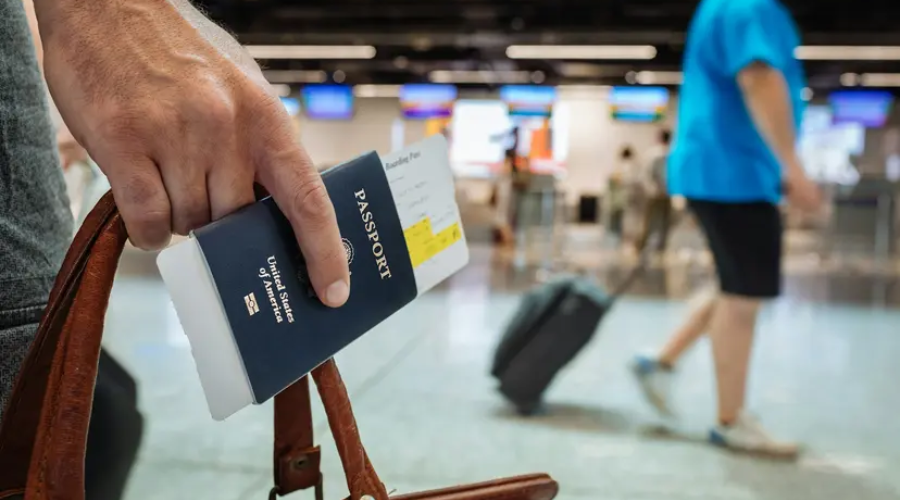
Traveling internationally is an unforgettable experience—new cultures, landscapes, food, and memories waiting at every destination. Yet, before you zip up your suitcase and head to the airport, there is a crucial step that determines whether your trip begins with excitement or unexpected stress: understanding visa requirements. Many travelers discover too late that the rules are not as simple as “passport and plane ticket.” From visa-free entry to lengthy application interviews, every country has its own policies, and navigating them confidently is essential.
This guide breaks down everything you need to know before you fly. Whether you’re a first-time traveler or a seasoned globetrotter, you’ll learn how to avoid visa mistakes, protect your travel plans, and ensure a smooth arrival wherever your passport takes you next.
Understanding the Fundamentals of Visas
What a visa really is and why countries require it
A visa is more than a permission slip to enter another country. It is a legal authorization issued by a government that grants you the right to visit, study, work, transit, or live in their territory for a specific duration and purpose. Nations use visas to control immigration, maintain security, and regulate tourism and labor flow. In short, the visa acts as a gateway—and every traveler must pass through that gate in the proper way.
The major types of visas every traveler should know
Not all visas are created equal. Understanding the category that applies to your trip ensures you apply correctly and avoid costly delays.
- Tourist visa – For holidays, sightseeing, and family visits. No paid work allowed.
- Business visa – For business meetings, conferences, or commercial activities without local employment.
- Work visa – For taking up employment or long-term contracts in another country.
- Student visa – For enrolling in an educational program or academic course abroad.
- Transit visa – For connecting flights in a country without officially entering.
- Digital nomad visa – Increasingly popular, for remote workers living abroad without joining the local workforce.
Visa-free travel, visa-on-arrival, and e-visa: what’s the difference?
Travel rules vary widely from country to country. Depending on your passport and destination, you may encounter different visa scenarios:
- Visa-free entry – No visa is required; you simply present your passport on arrival. Duration and conditions vary.
- Visa-on-arrival (VOA) – You don’t apply beforehand; instead, you obtain the visa when landing at the airport or border post.
- Electronic visa (e-visa) – You apply and pay online before departure, then receive an approval confirmation that you present at immigration.
Understanding which category applies to you is the foundation of stress-free travel planning.
How to Check and Prepare Visa Requirements for Your Destination
Where to find reliable and updated visa information
Visa rules can change at any time due to politics, public health, or international agreements. Never depend on outdated blogs or hearsay. The safest sources include:
- The official immigration website of the destination country
- Your own government’s foreign affairs website or travel advisory portal
- Verified visa assistance agencies
- The airline you’re flying with (they often verify visa rules at check-in)
Cross-checking at least two sources is the smartest approach.
The timeline of visa applications: starting early matters
Visa processing times can range from a few minutes for e-visas to several months for work or student visas. Begin planning by asking yourself:
- How long does the application process normally take?
- Are there peak seasons that cause delays?
- Is an in-person interview required?
- Do biometrics (fingerprints) need to be scheduled?
Starting early protects you from application backlog, embassy closures, and last-minute paperwork surprises.
Required documents you should expect to prepare
Although requirements vary by country, most visa applications demand similar core documents:
- Passport valid for at least 6 months beyond your travel dates
- Passport-sized photos that meet size and background requirements
- Bank statements or proof of financial capability
- Confirmed travel itinerary (flights or train tickets)
- Proof of accommodation (hotel booking or invitation letter)
- Travel insurance, if required
- Employment letter, school enrollment letter, or business invitation (depending on visa type)
Having digital and printed copies of all documents can save time at checkpoints.
Mistakes travelers often make — and how to avoid them
Many travelers face visa rejection due to simple oversights. The most common include:
- Incorrect or inconsistent information across documents
- Submitting fake hotel reservations or bank statements
- Not meeting photo specifications
- Insufficient proof of financial stability
- Waiting until the last week to apply
A clean, transparent, and organized application dramatically increases approval chances.
Smart Tips for Visa Success and Smooth International Travel
Be mindful of passport rules — not just visa rules
Even travelers who don’t need a visa can be denied boarding due to passport issues. Most countries require:
- At least six months of validity beyond the return date
- Two or more blank pages for entry and exit stamps
- A machine-readable or biometric passport
Renewing your passport early is always better than risking last-minute rejection.
Proof of return ticket and itinerary — why they matter
Immigration officers need assurance you do not intend to overstay. Even travelers visiting relatives often forget this requirement. A confirmed round-trip ticket or exit ticket strengthens your entry approval significantly.
Travel insurance — sometimes required, always recommended
Several countries (including Schengen states) require visitors to show proof of travel medical insurance. But even if not required, insurance protects you from costly emergencies, cancellations, and lost luggage incidents. A small investment can save thousands.
Dress and behavior at immigration checkpoints
Immigration officers observe both documents and demeanor. A simple attitude can determine whether questions stay easy or escalate.
Helpful tips include:
- Stay calm and polite
- Answer questions honestly and briefly
- Do not make jokes about security, drugs, or illegal work
- Keep your documents ready and avoid rummaging through bags
A respectful, confident approach goes a long way.
Keep digital backups of everything
Before leaving home:
- Scan your passport, visa, travel insurance, hotel reservation, and ID
- Store copies in your email and cloud storage
- Keep physical photocopies in your luggage
In case of loss or theft, having backups allows embassies and airlines to help you much faster.
Conclusion
Understanding visa requirements isn’t just bureaucracy—it’s part of responsible and empowered travel. When you take the time to research, prepare documents, and apply early, you eliminate the risk of unpleasant surprises at the airport and gain full control of your travel plans. Every country has different rules, but with the right information, you can navigate them with ease.
Whether you’re traveling for fun, education, work, or adventure, the world becomes much more welcoming when you arrive prepared. Before packing your bags or snapping that first vacation photo, take a moment to check visa requirements. It may be the smallest step in the journey, but it determines everything that follows.
