
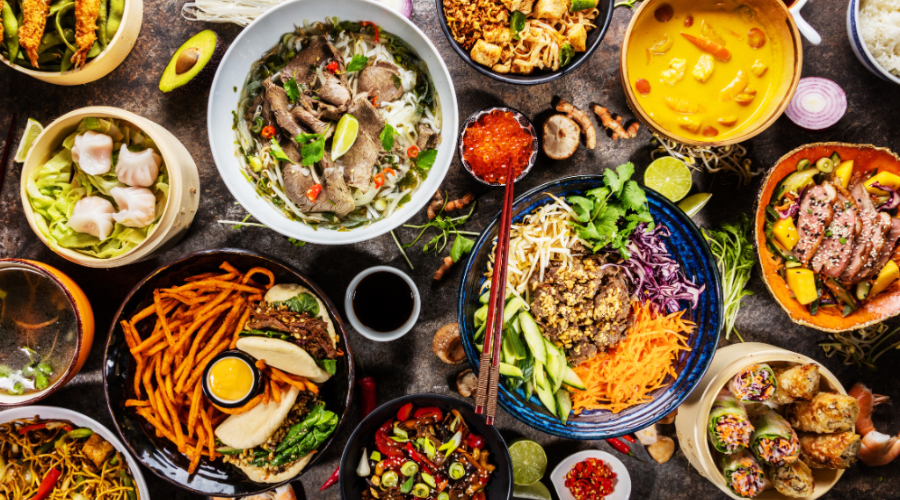
Travel isn’t just about landscapes, museums, and monuments—it’s also about flavors, aromas, and the stories behind every meal. Food has an ability to capture the identity of a culture better than any postcard ever could. A single bite can reflect generations of traditions, migrations, climate, and creativity. That’s why culinary tasting travel has become one of the most enriching ways to explore the globe. Whether you’re sipping local wine in a vineyard, joining a street-food tour in a bustling city, or learning to cook ancestral recipes with a local family, every culinary experience brings travelers closer to the heart of a destination.
This blog is your guide to discovering the world through food—one bite at a time. From immersive cultural experiences and unforgettable tasting tours to practical tips for planning your next gastronomic journey, you’re about to set off on a delicious adventure.
Destinations Where Food Tells the Story of Culture
Italy: Where Tradition Lives in Every Dish
Italy may be famous for its art and history, but its culinary heritage is just as iconic. A culinary trip through Italy isn’t simply about eating pasta or pizza—it’s about understanding regional identity. In Bologna, you can learn how Parmigiano Reggiano is aged for years before landing on a plate. In Naples, pizzaiolos still follow 200-year-old techniques to perfect the soft, charred dough of a proper Neapolitan pizza. Tuscany invites travelers into vineyards and rustic kitchens to explore olive oil, truffles, pecorino cheese, and Chianti.
Japan: Precision, Purity, and Culinary Philosophy
In Japan, food is an artistic expression as much as a meal. Travelers can experience sushi crafted before their eyes by masters who trained for decades, or warm bowls of ramen that took hours to simmer. Visit Osaka—the nation’s street-food capital—for takoyaki and okonomiyaki served from sizzling stalls. Explore the quiet traditions of Kyoto through matcha ceremonies and kaiseki dining, where every seasonal ingredient has symbolic meaning.
Mexico: An Explosion of Flavor and Ancient Roots
Mexican cuisine offers the perfect blend of spice, color, and ancestral knowledge. Mole sauces can contain over 20 ingredients, each roasted and ground by hand—a slow culinary ritual that’s been passed down through generations. Local markets in Oaxaca and Mérida invite travelers to taste fresh tortillas, tamales steamed in banana leaves, and mezcal straight from small family distilleries. It’s a destination where every dish tells a story of indigenous heritage and colonial fusion.
India: Spices, Regional Diversity, and Timeless Recipes
Calling Indian cuisine “spicy” barely scratches the surface of its complexity. Every state has its own culinary personality—from rich creamy curries in Punjab to fiery seafood delicacies along the Goan coast. Travelers can take part in spice plantation tours, street-food tastings in Delhi, or home-cooking experiences in Jaipur. Indian food offers a deep connection between geography, history, and celebration.
Immersive Food Experiences for the Curious Traveler
Street Food Adventures for Authentic Flavor
Street food is often the truest taste of a place, untouched by luxury or global influence. Whether you’re hopping between night markets in Thailand, grabbing empanadas from a Chilean street stall, or tasting pastel de nata in a Lisbon alleyway bakery, these low-cost experiences pack massive cultural value. They’re fast, fun, and full of unforgettable memories.
Cooking Classes with Local Families and Chefs
One of the most intimate ways to understand a culture is by stepping into a local kitchen. Cooking classes go beyond tasting—they teach hands-on skills and culinary secrets usually reserved for family members. Travelers might learn to roll handmade pasta in an Italian farmhouse, prepare paella in a coastal Spanish home, or make Balinese satay using spices from a village garden. These experiences stay with travelers long after the food is gone.
Farm-to-Table and Agricultural Tours
Food doesn’t begin in the kitchen—it begins in the soil. Visiting farms, vineyards, tea plantations, or fisheries offers a fascinating behind-the-scenes look into how ingredients are grown, harvested, and processed. Wine tasting in South Africa, visiting cocoa farms in Costa Rica, or exploring tea estates in Sri Lanka are just a few examples of journeys that link sustainability, culture, and taste.
Festivals and Seasonal Food Celebrations
Food festivals reveal a region’s passion for culinary identity. Imagine attending the lively truffle festivals in Italy, Japan’s cherry blossom food celebrations, or the vibrant mango festivals in India. These events showcase local talent, seasonal specialties, and traditional culinary techniques, making them perfect for travelers who want a feast for both the senses and the spirit.
Tips for Planning the Ultimate Culinary Tasting Trip
Choose Destinations Based on Culinary Themes
Instead of choosing a location first, think about what flavors excite you. Love pastries and coffee? Europe has endless possibilities. Are wine and cheese your weakness? France and Argentina may top your list. Passionate about bold spices? Southeast Asia will never disappoint.
Balance Fine Dining with Local Eats
Michelin-star restaurants offer unforgettable luxury, but don’t overlook where locals eat every day. The perfect culinary trip blends both worlds—fine dining for modern innovation and street stalls or food markets for authenticity and cultural grounding.
Consider Seasonality When Traveling for Food
Food culture changes dramatically with the seasons. Visit during harvest time for wine tastings, during fishing seasons to sample fresh seafood, or when seasonal produce peaks for richer gastronomic offerings. Sometimes, planning around a specific dish or festival can transform your trip into something magical.
Prioritize Sustainable and Respectful Experiences
Supporting local communities ensures that culinary traditions remain alive. Choose family-run restaurants, ethical farm tours, and workshops led by local chefs. Respect cultural customs—for example, learning proper eating etiquette or understanding the significance of certain foods during religious holidays.
Pack Smart for Food Explorers
If you’re returning home with spices, teas, chocolates, or culinary tools, do a little research first. Many airports have customs restrictions, and some agricultural products can’t be transported. Always pack sealed bags or travel containers to keep souvenirs intact.
Conclusion
Culinary tasting travel is more than an indulgence—it’s an invitation to learn, connect, and understand. Each dish is a window into a region’s past and present, shaped by climate, trade routes, heritage, and the stories of people who lovingly prepare it. Whether you’re sitting on a plastic stool slurping noodles at a street corner or enjoying a tasting menu crafted by a master chef, the world becomes richer, warmer, and more familiar through food.
