
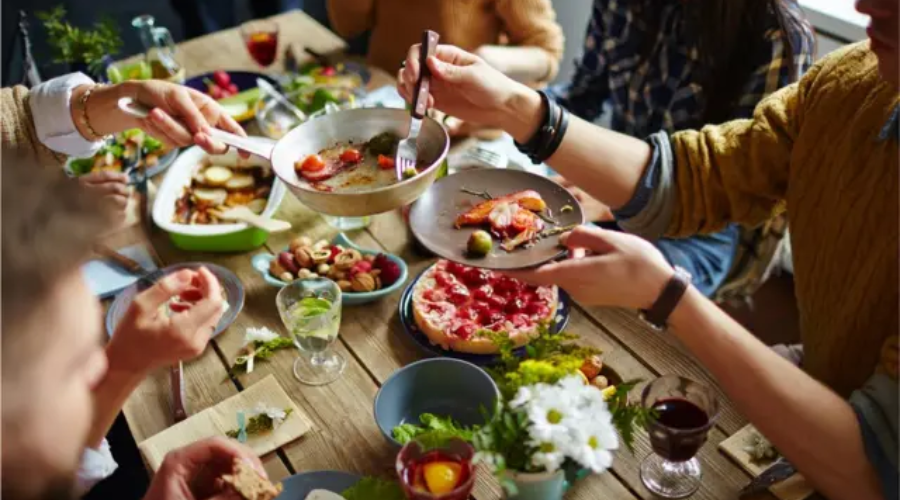
There is something magical about exploring the world through food. It’s more than just eating — it’s tasting history, culture, craftsmanship, and stories in every bite. For many travelers, cuisine is no longer a side element of a trip; it is the adventure itself. From savoring slow-cooked street dishes in a bustling market to learning ancient recipes from locals in their home kitchens, food travel offers a deeper, more sensory connection to a destination. Every flavor becomes a memory, every dish a doorway to understanding traditions, and every shared meal a new friendship waiting to happen.
If food is your love language and your passport is always ready, this guide is designed to inspire your next delicious journey. Whether you crave fine dining experiences, hidden street food gems, or immersive culinary adventures, the world has a platter of unforgettable flavors waiting. Let’s explore how to make food your compass and create extraordinary travel experiences across continents and cultures.
Culinary Adventures Around the World: Where Flavor Takes Center Stage
Street Food Cities That Steal the Spotlight
Street food is the heartbeat of many destinations — fast, flavorful, and deeply rooted in tradition. Bangkok, Singapore, Istanbul, Oaxaca, and Hanoi are legends among food travelers, offering everything from sizzling meats and slow-cooked broths to vibrant plant-based creations. Markets and street vendors serve dishes perfected over generations, using affordable ingredients and bold techniques. No fine dining table can replace the experience of sitting on a plastic stool with steam rising from your bowl and locals chatting around you.
To make the most of street food travel:
- Visit early or late when vendors prepare dishes fresh
- Follow the locals — lines usually indicate the best spots
- Try something unfamiliar and trust the expertise of regional cooks
Street eats aren’t simply snacks; they are edible maps of a city’s past and present.
Destinations Where Fine Dining Shines
If culinary innovation excites you, the world’s gourmet capitals offer unforgettable experiences. Paris, New York, Tokyo, San Sebastián, and Copenhagen set the global standard for creativity, precision, and artistic presentation. Michelin-starred gastronomic temples and chef-led tasting menus allow travelers to explore flavors in ways that blur the line between culinary craft and art.
Fine dining travel is not merely about luxury — it’s also about learning how tradition evolves. Many top chefs today focus on local sourcing, sustainability, and ancient techniques reimagined with modern flair. A well-crafted tasting menu can tell a cultural story from the first amuse-bouche to the final dessert.
Countries Defined by Signature Dishes and Food Identity
Some destinations draw travelers purely through their culinary reputations. Italy seduces with handmade pasta, truffle-rich sauces, and slow-living food philosophy. Japan earns loyalty with precision, simplicity, and respect for seasonality. India offers a kaleidoscope of spices, regional specialties, and vegetarian mastery. Mexico celebrates vibrant flavors, ancient ingredients like corn and cacao, and soulful cooking techniques passed down over centuries.
Exploring food by region rather than country deepens the experience. Tamil Nadu cooking is dramatically different from Rajasthan; northern Thai dishes contrast with southern; Sicily does not taste like Tuscany. Food becomes a living atlas of heritage, migration, climate, and identity.
Turning Travel into a Full Culinary Experience
Learning to Cook with the Locals
Cooking classes and food workshops offer rare access to the heart of culinary heritage. Imagine kneading dough with Italian nonnas, making sushi with Tokyo chefs, learning tagine techniques from Moroccan families, or harvesting tea leaves in Sri Lanka before brewing them. These experiences connect travelers not only to dishes but to people — their memories, traditions, and family stories.
To get the most out of a culinary class:
- Choose hands-on workshops rather than demonstrations
- Ask questions about ingredient origins and cultural context
- Keep recipes and recreate them at home to relive the memories
You return not just with souvenirs but with skills and flavors you can share.
Exploring Food Through Markets and Farms
Markets are the soul of food-focused travel — the place where ingredients, crafts, and community meet. Visiting farmers’ markets, fish auctions, spice bazaars, and seasonal fairs reveals how nature and culture shape cuisine. Observing how locals shop offers clues about eating habits, sustainability, and generational traditions.
For an even deeper dive, travelers can explore:
- Coffee plantations
- Olive groves and vineyards
- Cheese-aging caves
- Honey farms
- Cacao plantations
Food becomes richer when you witness its journey from soil to table.
Pairing Food with Beverage Experiences
Food travel often pairs beautifully with beverage exploration, whether it’s wine, craft beer, tea, or spirits. Bordeaux, Napa Valley, and Mendoza dominate wine tourism, while Ireland and Japan lead whiskey journeys, and Belgium and Germany stand strong in brewery travel. Tea lovers can follow trails through Southeast Asia and East Africa to learn about growing, harvesting, and brewing techniques.
Responsible tasting experiences often include lessons on agriculture, craftsmanship, climate, and geography — transforming beverages into cultural education.
Participating in Food Festivals Around the World
Food festivals offer immersive, joyful, and flavor-filled celebrations. From cheese fairs in Europe to grape harvest festivals in South America, from Thai vegetarian festivals to Texas barbecue social gatherings, food festivals bring together locals and visitors in delicious harmony.
Planning travel around a food festival can unlock menus and foods rarely found outside special occasions. These celebrations provide:
- Seasonal dishes tied to celebrations and folklore
- Access to local producers and culinary artisans
- Entertainment, storytelling, and workshops that enhance knowledge
Food festivals turn entire cities into one big dining table.
Smart Strategies for Planning a Memorable Food Holiday
Creating Itineraries Based on Local Food Culture
Food holidays thrive when built around curiosity, not only reservation lists. Begin by identifying the region’s signature ingredients, dishes, and culinary traditions — then build your itinerary around food encounters rather than rushing to tourist sights. Slow travel enhances flavor exploration: spend more time in fewer places to understand culinary rhythms rather than sampling superficially.
A well-balanced itinerary mixes:
- Street food moments
- Markets and farms
- Cooking classes or tastings
- Fine dining or regional specialty restaurants
- Neighborhood explorations
Food discovery then becomes natural and integrated rather than forced.
Respecting Local Culture and Eating Traditions
Gastronomy reflects identity. Respecting food customs shows appreciation and earns warm connections. Learn dining etiquette before arriving — whether it means eating with chopsticks, using hands, or following meal-time rituals. Avoid judging unfamiliar flavors; instead, ask questions and show curiosity.
Accepting food from hosts or at community events is often seen as a sign of gratitude. Even if meals are unfamiliar, sharing the experience builds relationships across cultural borders.
Knowing How to Travel Sustainably as a Food Lover
Food tourism can greatly support small producers and traditional cooking — but it must be mindful. Travelers can make conscious choices by:
- Prioritizing locally owned restaurants over global chains
- Avoiding companies that exploit animals or communities
- Choosing farm-to-table and zero-waste restaurants when possible
- Being aware of seafood sustainability and ethical meat sourcing
- Using reusable containers and cutlery for market snacks
Sustainable food travel preserves culinary heritage and keeps ecosystems healthy.
Bringing the Experience Home
A food journey doesn’t end at the airport — it lives on in your kitchen and memories. Bringing home spices, oils, teas, or artisanal products deepens nostalgia and supports local creators. Cooking the dishes you’ve learned, hosting themed dinner nights, and sharing stories with friends extend the joy of travel long after the trip ends.
Travel transforms food — and food transforms travel. Together they create lasting connections beyond geography.
Conclusion
Food travel offers something powerful — a way to discover the world using flavor as a compass. It invites you to dive into culture, history, landscapes, and relationships using your senses as the guide. Every food holiday becomes a collection of moments: laughter over shared meals, curiosity in bustling markets, pride in learning to cook a dish, excitement in tasting something new.
Whether you’re savoring street food in Southeast Asia, enjoying farm-fresh meals in Europe, tasting your way through wine valleys, or learning ancient recipes from home cooks, food becomes a bridge that connects us all. It reminds us that despite differences in language, geography, and lifestyle, every culture cherishes the joy of eating.
