
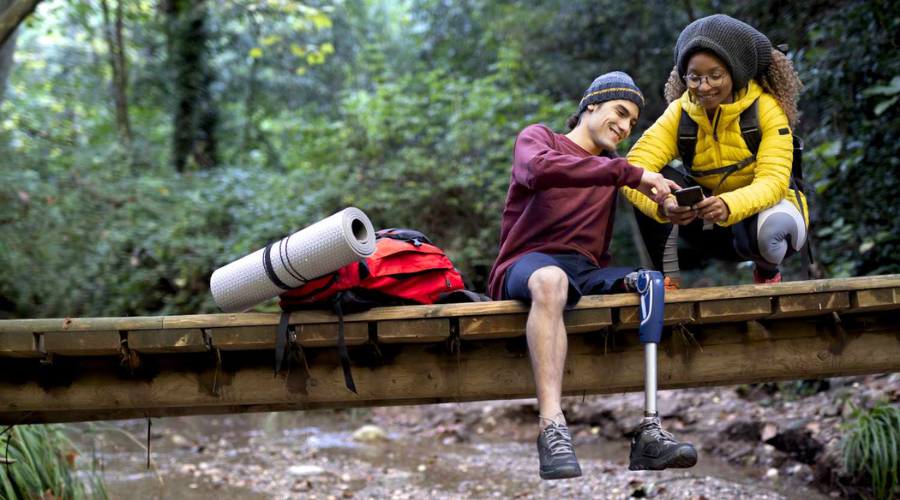
Traveling doesn’t have to be a luxury reserved for those with deep pockets. With careful planning, strategic choices, and a touch of creativity, anyone can explore the world without breaking the bank. Budget travel is not just about spending less—it’s about traveling smarter, discovering hidden gems, and making the most out of every dollar. Whether you’re a student, a working professional, or a family looking for affordable vacations, mastering budget travel techniques allows you to see more, experience more, and spend less while still enjoying a rich and fulfilling journey.
This guide dives into practical tips, strategies, and ideas to maximize your travel experiences while minimizing expenses. From transportation hacks to accommodation secrets and smart daily spending habits, these insights empower you to travel frequently, even on a limited budget.
Affordable Transportation: Getting There and Moving Around Without Overspending
Transportation is often one of the biggest expenses in any trip. However, there are multiple strategies to reduce costs while still enjoying convenience and flexibility. Understanding your options and being flexible with timing and mode of travel can lead to significant savings.
Fly Smart: Finding Cheap Flights
Airfare can make or break a budget trip, but savvy travelers know how to find deals. Using flight comparison websites, subscribing to airline newsletters, and setting fare alerts can help you catch the lowest prices. Being flexible with travel dates, avoiding peak seasons, and considering alternative airports are also key strategies.
Low-cost carriers often offer excellent value for short-haul flights, while some budget airlines provide long-haul options with minimal amenities. Booking in advance or sometimes even at the last minute can yield surprising deals, so keeping an eye on fares is crucial. Additionally, using travel reward points or credit card travel perks can further reduce flight expenses.
Embrace Alternative Transportation
Once you arrive, local transportation can be a budget-friendly way to explore. Public buses, trains, subways, and ferries are often cheaper than taxis or rideshares. In many destinations, rail passes and multi-day transport cards offer excellent value for travelers planning extensive city or regional exploration.
For more flexibility and cost savings, consider renting a bicycle or walking when possible. Not only is this eco-friendly and healthy, but it also allows you to discover hidden streets, local markets, and charming neighborhoods that are often missed when relying solely on cars or taxis.
Car Rentals and Road Trips on a Budget
If your trip involves multiple destinations in a region, renting a car can sometimes be cost-effective, especially when shared among friends or family. Booking in advance, choosing economy vehicles, and avoiding unnecessary insurance add-ons can reduce costs. Planning routes efficiently and factoring in fuel, tolls, and parking ensures you stay within budget.
Road trips also offer the advantage of spontaneity and freedom. By staying in budget-friendly accommodations along the way and packing meals, you can explore scenic routes and attractions without spending excessively.
Smart Accommodation Choices: Comfortable Stays Without the Price Tag
Lodging is another significant expense in travel, but budget-conscious strategies can ensure comfort without overspending. From hostels to vacation rentals, each option offers different advantages depending on your travel style and priorities.
Hostels: Affordable and Social
Hostels remain one of the most cost-effective options for solo travelers, students, or even small groups. Beyond low prices, hostels offer social opportunities, communal kitchens, and often organized activities that can enhance your travel experience.
Private rooms in hostels are increasingly available for those seeking privacy while still benefiting from budget-friendly rates. Reading reviews, checking for amenities like free Wi-Fi or breakfast, and booking early can secure the best deals and a comfortable stay.
Vacation Rentals and Short-Term Apartments
Vacation rentals or short-term apartments provide flexibility and savings, particularly for longer stays. Being able to cook your own meals, do laundry, and live like a local reduces daily expenses. Websites specializing in rentals often offer discounts for weekly or monthly bookings, making them an excellent choice for extended trips.
Choosing accommodations outside major tourist centers can also lower costs significantly. While slightly farther from attractions, local public transport or walking routes often make commuting easy, and you’ll get a more authentic experience of the area.
Budget Hotels and Guesthouses
In many regions, budget hotels and guesthouses provide a comfortable alternative without high costs. Researching small, family-run properties often yields better value than chain hotels. Booking in advance, taking advantage of seasonal promotions, and negotiating rates for longer stays can reduce costs while maintaining convenience and comfort.
Daily Budgeting: Stretching Every Dollar on Food, Activities, and Experiences
Even with cheap flights and affordable lodging, daily expenses can quickly accumulate if not managed wisely. Smart budgeting ensures you can enjoy your trip without overspending or sacrificing experiences.
Eat Like a Local
Food is one of the joys of travel, but dining at touristy restaurants can be expensive. Exploring local markets, street food, and casual eateries allows you to savor authentic cuisine at a fraction of the cost. Sampling specialties from local vendors not only saves money but also creates memorable culinary experiences.
Cooking your own meals in hostels or vacation rentals is another way to reduce costs. Even preparing a simple breakfast or picnic lunch can free up funds for special dinners or unique experiences.
Free and Low-Cost Activities
Many destinations offer free or inexpensive attractions that provide rich cultural, historical, or recreational experiences. Public parks, walking tours, street performances, free museums, and local festivals can be enjoyed without spending much. Doing thorough research before your trip helps identify hidden gems and free activities that might otherwise be overlooked.
For adventurous travelers, nature-based activities like hiking, beachcombing, or exploring scenic viewpoints offer unforgettable experiences at minimal cost. Engaging with local communities and cultural events also provides immersive experiences that are often more meaningful than expensive tourist traps.
Use Travel Apps and Rewards Programs
Technology can help stretch your budget further. Travel apps can provide information about free events, discount tickets, public transport routes, and budget-friendly restaurants. Loyalty programs, travel credit cards, and points systems can reduce costs on flights, accommodations, and attractions. Even small savings on multiple expenses can add up, freeing money for more experiences.
Avoid Hidden Fees
Budget-conscious travelers know to watch out for hidden costs. Extra baggage fees, currency conversion charges, resort taxes, and transaction fees can quietly add up. Reading terms carefully, paying in local currency, and planning in advance helps avoid unexpected expenses.
Tips for Maximizing Budget Travel Success
To make budget travel more effective, incorporate habits and strategies that extend your resources without compromising quality:
- Plan ahead but remain flexible: Early planning secures better deals, but allow room for spontaneous exploration and opportunities.
- Travel in off-peak seasons: Airfare, accommodations, and attractions are often cheaper outside peak tourist periods.
- Use public transport: Subways, buses, and ferries are cheaper and offer authentic local experiences.
- Mix free and paid experiences: Balance activities to enjoy both cultural highlights and low-cost or free attractions.
- Pack wisely: Avoid checked baggage fees by packing efficiently and bringing multi-purpose items.
- Track your expenses: Simple apps or journals help monitor spending and ensure you stick to your budget.
By combining foresight, flexibility, and resourcefulness, budget travel can become a sustainable and enriching way to explore the world. The key is to prioritize experiences over luxury, seek out local authenticity, and embrace opportunities that may be unconventional but memorable.
Conclusion
Budget travel is not about deprivation; it’s about intentional choices that allow you to experience more of the world for less money. By optimizing transportation, selecting affordable accommodations, making smart daily spending decisions, and leveraging technology, you can stretch every dollar while still enjoying meaningful, memorable experiences.
Traveling on a budget encourages creativity, resourcefulness, and awareness. It often leads to discovering hidden gems, engaging more deeply with local culture, and building confidence in your ability to navigate the world independently. Whether you’re exploring bustling cities, scenic nature trails, or quaint towns off the beaten path, smart planning and strategic choices allow you to maximize every moment without overspending.
