
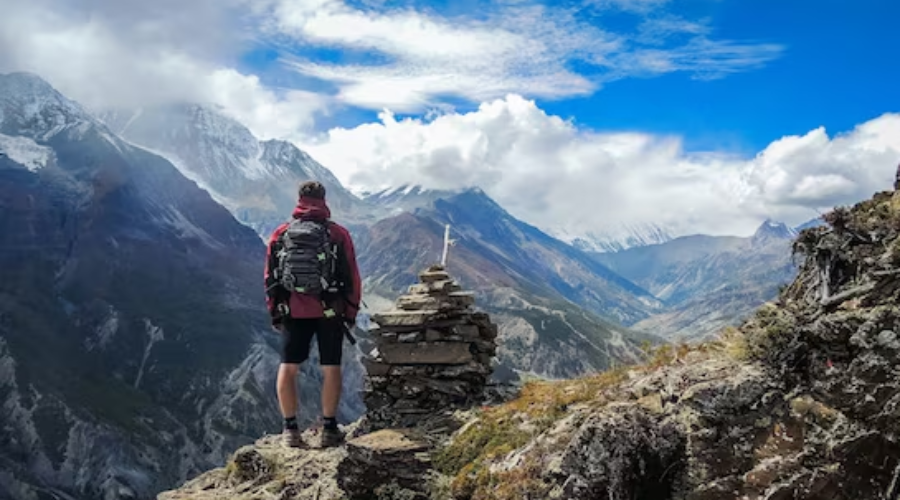
For travelers seeking the perfect blend of adventure, tranquility, and breathtaking landscapes, scenic hiking trips offer an unparalleled experience. Unlike conventional sightseeing, hiking immerses you in nature, allowing you to explore hidden corners, encounter wildlife, and witness vistas that few others see. For nature lovers, these trips are more than just physical activity—they are journeys of discovery, relaxation, and inspiration. Whether you are a casual walker or an avid trekker, scenic hiking trips provide opportunities to reconnect with the natural world while exploring stunning paths that evoke awe at every turn. This guide will explore the best types of scenic hiking trips, essential preparation, and strategies to make the most of your adventures.
Discovering the World Through Scenic Hiking
Scenic hiking is not just about moving from point A to point B—it’s about fully engaging with the environment, discovering natural wonders, and experiencing landscapes in ways that are impossible from a car or train window.
Mountains and Alpine Trails
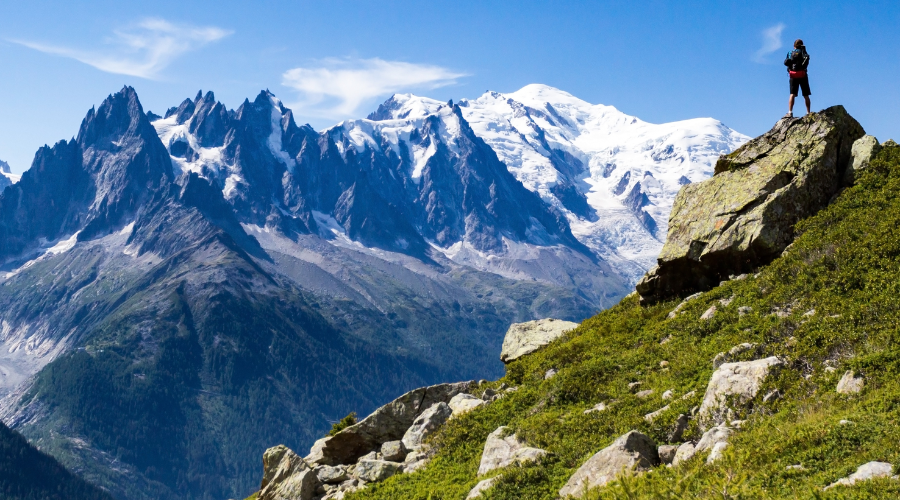
Mountain trails are among the most rewarding for hikers who enjoy dramatic landscapes. High-altitude paths offer panoramic views, crisp air, and the chance to witness alpine flora and fauna. Trails such as the Rocky Mountains in North America or the Dolomites in Italy combine physical challenge with visual splendor, rewarding every step with sweeping vistas and unforgettable sunrises. These paths are perfect for travelers seeking both adventure and a sense of accomplishment.
Coastal and Cliffside Hikes
Coastal trails provide a dynamic blend of land and sea, where hikers are greeted by crashing waves, rugged cliffs, and hidden coves. The Amalfi Coast in Italy and the Kalalau Trail in Hawaii are prime examples of routes that merge scenic beauty with adventure. Walking along these paths allows hikers to experience the rhythm of the ocean, explore beaches accessible only by foot, and enjoy the sensory delights of salty air and panoramic horizons.
Forest and Jungle Adventures
Forests and jungles offer an intimate, immersive experience with nature. Dense canopies, winding trails, and vibrant biodiversity create a sense of exploration and discovery. Trails like the Monteverde Cloud Forest in Costa Rica or the Black Forest in Germany allow hikers to wander among towering trees, observe unique wildlife, and experience the calming serenity of shaded paths. Forest hikes often provide both physical exercise and a therapeutic connection to nature, appealing to hikers seeking mental as well as physical refreshment.
Desert and Arid Landscapes
Desert hiking may seem counterintuitive for scenic beauty, yet trails through arid regions reveal a striking palette of colors, unique rock formations, and endless horizons. Locations such as the Sahara Desert or Arizona’s Grand Canyon offer trails where hikers witness dramatic light changes, rugged terrain, and solitude that is hard to find elsewhere. Proper preparation, hydration, and timing are essential for these environments, but the visual rewards are extraordinary.
Essential Planning for Scenic Hiking Trips
Proper preparation ensures a scenic hiking trip is safe, enjoyable, and memorable. The right approach allows hikers to focus on the beauty and adventure of the trail rather than worrying about logistics or comfort.
Selecting the Right Trail
Choosing a trail depends on your experience, fitness level, and interests. Consider:
- Distance and elevation: Longer trails and higher elevations require more stamina and preparation.
- Difficulty level: Beginner-friendly paths may offer shorter distances and gentler terrain, while advanced trails include steep inclines and rugged surfaces.
- Scenery type: Decide whether you prefer mountain peaks, coastal views, forest paths, or desert landscapes.
Researching trail reviews, maps, and guides ensures expectations align with reality, helping hikers find the perfect scenic route.
Essential Gear and Equipment
Proper gear enhances both safety and enjoyment. Essentials include:
- Sturdy hiking boots with good traction
- Layered clothing suitable for changing weather conditions
- A backpack with water, snacks, and first-aid kit
- Navigation tools such as maps, compass, or GPS devices
- Camera or smartphone to capture stunning landscapes
Packing light but strategically ensures comfort and readiness for various trail conditions.
Safety Considerations
Safety is paramount, especially when exploring remote or challenging trails. Key precautions include:
- Checking weather forecasts before departure
- Informing someone about your hiking plan and expected return time
- Carrying sufficient water, food, and emergency supplies
- Staying on marked trails and following park regulations
- Traveling with a guide or companion in unfamiliar or difficult terrain
By prioritizing safety, hikers can focus on enjoying the scenery without unnecessary risk.
Timing and Seasonal Awareness
Different trails offer varying experiences depending on the season. Spring and summer often bring lush greenery, wildflowers, and accessible paths, while autumn provides vibrant foliage and cooler temperatures. Winter hiking may offer snowy vistas and quiet trails but requires specialized equipment and experience. Understanding seasonal variations allows hikers to choose the optimal time for their scenic adventure.
Maximizing the Scenic Hiking Experience
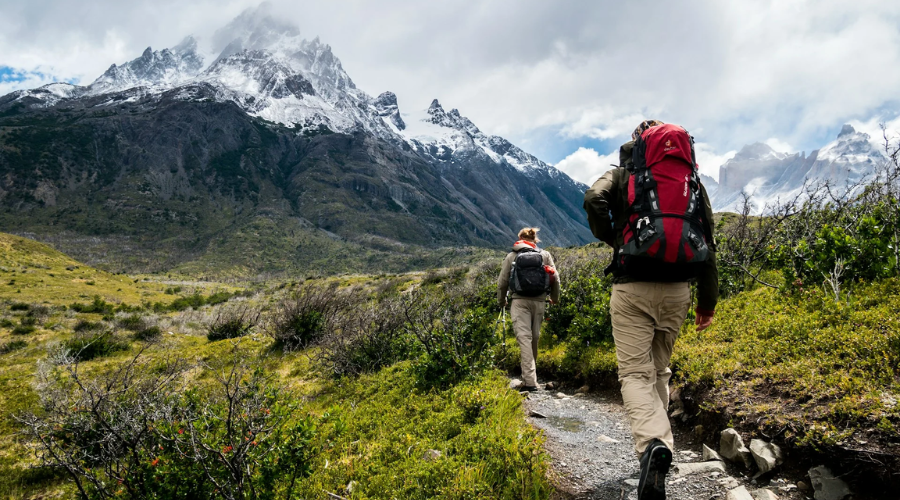
Beyond preparation and safety, fully enjoying a scenic hiking trip involves mindful engagement with the environment, personal pacing, and capturing memories along the way.
Engaging With Nature
Hiking is a multisensory experience. Listen to bird songs, feel the texture of leaves and rocks, and take in panoramic vistas. Observing wildlife, noting plant species, or pausing for quiet reflection deepens the connection to the natural world. Mindful engagement transforms a simple walk into a memorable exploration.
Photography and Memory Preservation
Scenic trails offer countless opportunities for photography. Early morning and late afternoon provide the best light for capturing landscapes. Consider taking time to frame shots of vistas, waterfalls, or unique rock formations. Journaling or creating a travel blog can also help preserve memories, allowing you to relive the adventure long after the hike ends.
Balancing Challenge and Enjoyment
Scenic hiking often combines physical exertion with leisure. Maintaining a pace that allows both fitness benefits and appreciation of the surroundings ensures that the hike is rewarding rather than exhausting. Plan breaks at viewpoints, waterfalls, or shaded areas to rest and soak in the scenery.
Local Interaction and Cultural Exploration
Many scenic trails pass through or near small towns, villages, or indigenous communities. Engaging with locals, sampling regional cuisine, or learning about traditional practices adds depth to the hiking experience. These interactions enrich the journey and provide insight into the cultural as well as natural landscapes.
Multi-Day Scenic Hiking Tours
For those seeking extended exploration, multi-day hiking trips allow for deeper immersion. Camping along the trail or staying in mountain lodges lets hikers experience sunrise and sunset from remote locations, hear nocturnal wildlife, and enjoy the full rhythm of nature. Multi-day tours often include guided elements, such as expert commentary on ecology, geology, or local history, enhancing the educational and scenic value of the trip.
Conclusion
Scenic hiking travel trips are an extraordinary way for nature lovers to experience the world. From towering mountains and coastal cliffs to lush forests and expansive deserts, trails across the globe provide breathtaking vistas, immersive natural encounters, and unforgettable adventure. Proper planning, suitable gear, and safety awareness ensure that each hike is not only beautiful but also secure and enjoyable. Engaging fully with the environment, capturing memories, and exploring the cultural surroundings elevate hiking from a physical activity to a transformative experience.
