
Traveling in a new city is exciting, but navigating local transport can often feel intimidating. From figuring out bus routes and metro lines to understanding fares and schedules, public transportation can seem overwhelming to even experienced travelers. Yet, mastering the local travel system is one of the most efficient and cost-effective ways to explore a city. Not only does it save money, but it also provides an authentic glimpse into the rhythm of urban life. This guide is designed to help travelers confidently navigate public transport, understand their options, and use the system like a local, making every journey smoother, faster, and more enjoyable.
Understanding Public Transport: Choosing the Right Mode for Your Journey
Every city has a unique transport system, and knowing the available options is key to planning efficient routes. Understanding what’s available and how each mode functions allows travelers to choose the best fit for their itinerary, budget, and comfort preferences.
Buses: The Backbone of Urban Travel
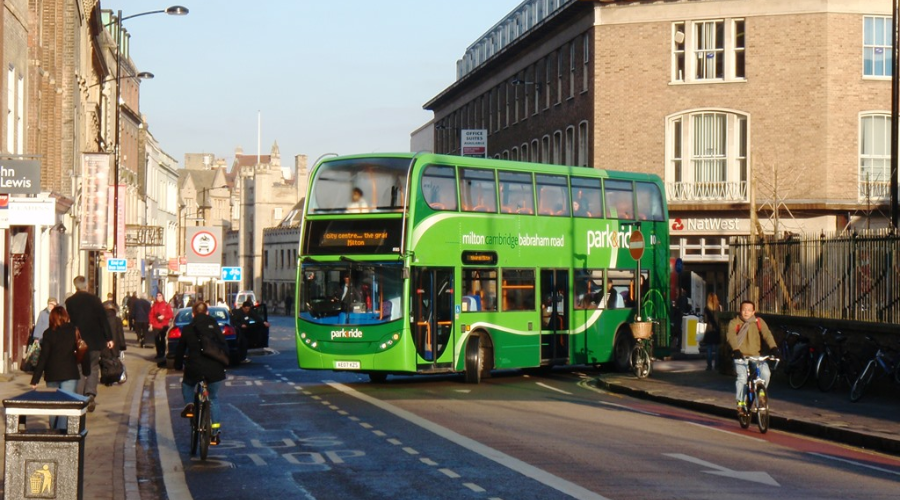
Buses are often the most extensive form of public transport in any city. They reach areas that trains and metro systems may not cover and usually operate on flexible schedules throughout the day. While buses can be slower due to traffic, they offer a scenic and practical way to explore neighborhoods beyond the tourist hubs. Learning the major bus lines, stops, and local landmarks can make bus travel surprisingly simple and efficient.
Metro and Subway Systems: Fast and Reliable
For longer distances or congested cities, metro and subway systems are often the fastest way to travel. These networks operate on fixed lines and frequent schedules, bypassing surface-level traffic entirely. Many cities have apps or maps that provide real-time updates, so you can plan trips down to the minute. Understanding transfer points and station layouts is essential to navigating these systems without confusion.
Trams and Light Rail: Scenic and Efficient
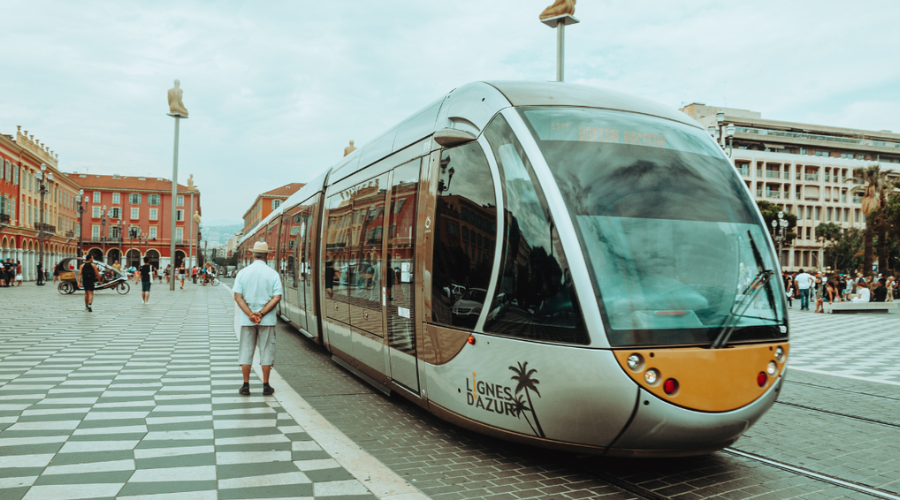
Trams and light rail often combine the speed of rail systems with the accessibility of buses. They frequently travel along surface streets, offering travelers scenic views of city neighborhoods while providing reliable service. In historic or compact cities, trams can be a convenient and charming way to move around.
Ferries and Water Transport: Unique Urban Experiences
Some cities with rivers, lakes, or coastlines integrate ferries into their public transport network. Ferries can be an efficient way to cross water barriers while providing a unique perspective of the city. In locations like Venice, Istanbul, or New York City, water transport is not just functional but an iconic part of the urban experience.
Bicycles and Shared Mobility: Flexible Short-Distance Travel
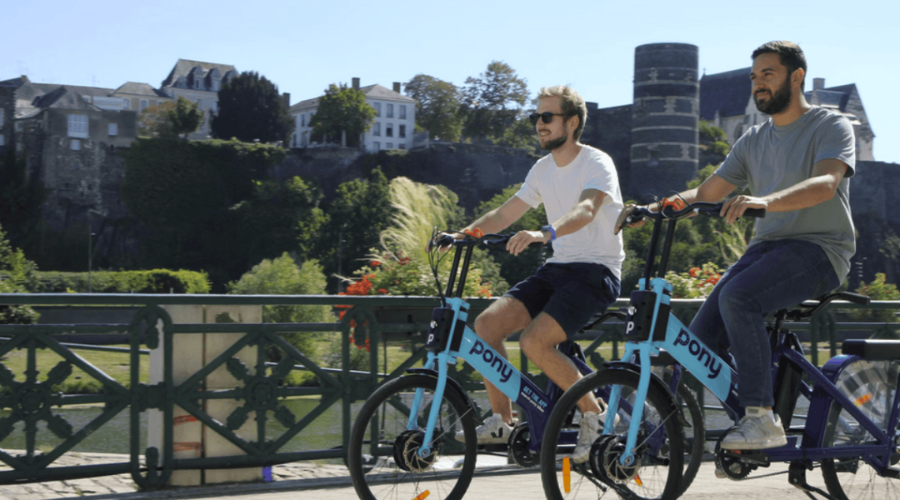
Bicycles, e-bikes, and scooters are increasingly incorporated into public transport ecosystems. Many cities have bike-sharing programs or electric scooter rentals that can be used for short trips, last-mile connections, or leisurely exploration. These options are especially practical when combined with buses or metro for hybrid journeys.
Planning Your Journey: Tips for Confidence and Efficiency
Mastering public transport isn’t just about knowing the modes—it’s about planning intelligently and using resources to travel efficiently.
Study Maps and Route Networks
Before heading out, study the city’s transit map to understand the main routes, transfer points, and station locations. Online maps, official transit apps, and printed guides can provide an overview of the system. Identifying your starting point, transfer stations, and destination ahead of time reduces confusion and increases travel efficiency.
Use Real-Time Apps and Tools
Many cities now offer apps that track buses, trains, and ferries in real time. Platforms like Google Maps, Citymapper, and local transit apps provide estimated arrival times, route alternatives, and notifications about service changes. Using these tools can save time, reduce waiting, and allow for better planning throughout the day.
Understand Fare Systems and Payment Methods
Public transport fares vary widely, and understanding how to pay is crucial. Many cities offer reloadable cards, mobile tickets, or contactless payment options, which simplify travel and often include discounts for multiple trips. Familiarizing yourself with ticket types—single rides, day passes, or weekly cards—can save both money and hassle. Always check if transfers between buses, metro lines, or other modes are included in the fare to avoid overpaying.
Timing and Avoiding Peak Hours
Rush hours can turn a simple commute into a crowded, stressful experience. Traveling during off-peak hours not only provides a more comfortable ride but also reduces waiting times and allows for more relaxed exploration. For longer journeys or sightseeing, planning early starts can maximize efficiency and enjoyment.
Plan for Transfers and Connections
Many public transport trips require transfers between buses, metro lines, or other modes. Understanding where and how to transfer is crucial. Pay attention to walking distances between platforms or stops, estimated transfer times, and any platform changes to avoid missed connections or unnecessary stress.
Combine Transport Modes Strategically
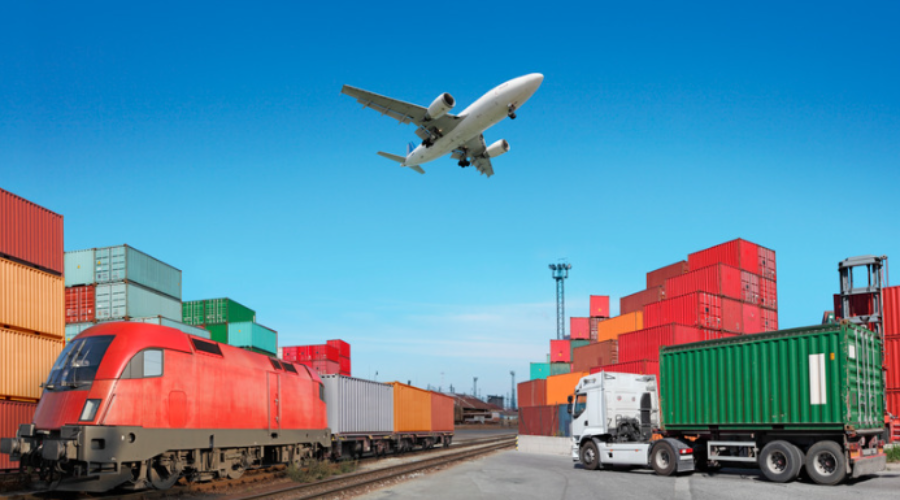
The most efficient travelers often combine multiple transport modes. For instance, a metro ride may cover the longest distance quickly, followed by a short bus or tram ride to reach a neighborhood destination. Walking or cycling for the last mile can complete the journey seamlessly. Strategic combination ensures speed, flexibility, and full coverage of city areas.
Insider Tips for Confident and Safe Public Transport Travel
Even when you understand the system, small strategies can make your experience smoother, safer, and more enjoyable.
Learn Key Landmarks and Station Names
Familiarity with major landmarks, station names, and neighborhood districts simplifies navigation. Recognizing a few key points of reference allows you to orient yourself easily, ask locals for directions when needed, and reduce anxiety about getting lost.
Keep Essentials Accessible
When using public transport, keep essential items like travel cards, mobile devices, maps, and a small amount of local currency easily accessible. Quick access ensures smooth entry and exit at stations and prevents delays or frustration.
Travel Light and Smart
Carrying excessive luggage or heavy bags makes transfers cumbersome and can slow you down. Pack efficiently, use backpacks or rolling suitcases when possible, and utilize luggage storage facilities if available at stations. Light packing allows for easier transfers, especially on crowded buses or metro trains.
Stay Aware of Safety Guidelines
Public transport is generally safe, but vigilance is always important. Keep personal belongings secure, avoid empty or poorly lit areas, and remain aware of your surroundings. In unfamiliar cities, follow local safety tips and stay updated on transit advisories to ensure a worry-free journey.
Engage with Locals and Staff
Transit staff and locals can be invaluable sources of practical advice. Don’t hesitate to ask for directions, platform information, or transfer instructions. Many cities have multilingual signage and helpful personnel to assist travelers, making it easier to navigate like a local.
Explore Beyond the Obvious Routes
Once comfortable, use public transport to discover less touristy areas, cultural hotspots, and local neighborhoods. Buses and trams often reach regions overlooked by taxis or tour buses, providing a richer, more authentic travel experience.
Prepare for Accessibility Needs
If you have mobility challenges or require additional support, research accessibility options. Many modern public transport systems provide elevators, ramps, priority seating, and accessible vehicles. Planning in advance ensures smooth and comfortable travel for everyone.
Conclusion
Mastering public transport is a gateway to exploring cities efficiently, economically, and authentically. By understanding the various modes—buses, metros, trams, ferries, bicycles—and learning to combine them strategically, travelers can navigate urban environments like seasoned locals. Planning journeys in advance, using real-time apps, understanding fares, and staying aware of safety guidelines all contribute to confident travel. Insider tips, such as familiarizing yourself with landmarks, packing light, and consulting locals, enhance efficiency and reduce stress
