
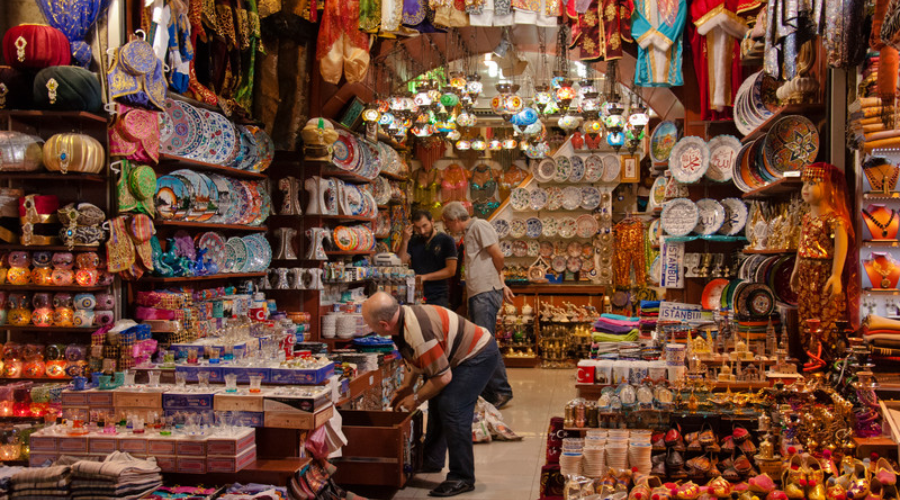
Travel is often measured in moments—the breathtaking views, the captivating stories, and the people who leave lasting impressions. Yet for many travelers, a journey is also defined by the tangible souvenirs they bring home: items that carry the essence of a place, its culture, and its craftsmanship. Local markets are treasure troves of such items, offering a mix of tradition, creativity, and uniqueness that cannot be replicated elsewhere. From bustling bazaars in the Middle East to vibrant street markets in Asia, these markets allow travelers to connect with communities, discover rare artifacts, and uncover hidden gems.
This guide explores some of the best local market finds from around the world—items that are not only beautiful but also culturally meaningful. Whether you are a seasoned collector, a curious wanderer, or someone looking to add authentic pieces to your home or wardrobe, these market treasures are a gateway to global experiences.
The Timeless Allure of Artisan Markets
Handwoven Textiles and Traditional Fabrics
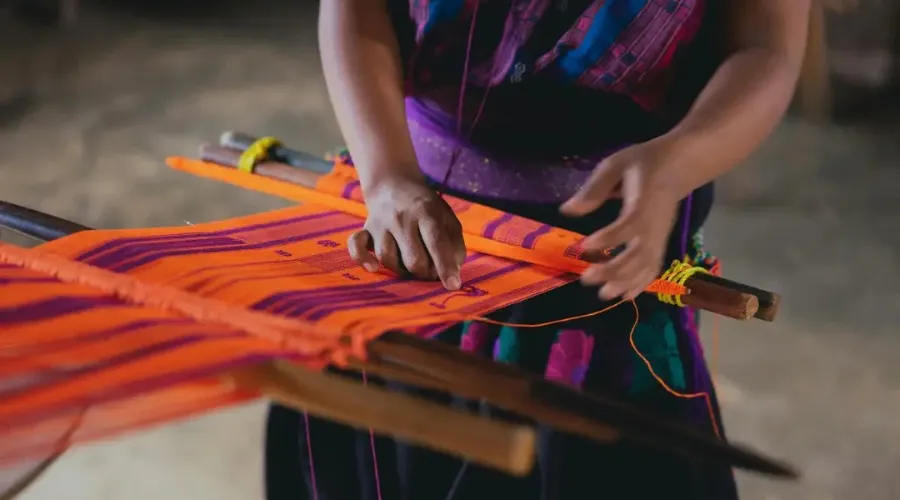
Few items convey the soul of a culture better than fabric. In markets across Morocco, Peru, and India, travelers can discover handwoven textiles that have been crafted using centuries-old techniques. Moroccan souks are filled with Berber blankets, rugs, and scarves adorned with symbolic motifs, each telling a story of tribal heritage. In the Andes, Alpaca wool garments and vibrant woven tapestries capture the essence of high-altitude communities, often dyed using natural pigments sourced from local plants. Meanwhile, Indian bazaars offer sarees, dupattas, and block-printed fabrics that are works of art in their own right, perfect for collectors or those seeking meaningful gifts.
Handmade Jewelry and Personal Adornments
Markets are also prime destinations for discovering jewelry that reflects the traditions, materials, and aesthetics of local artisans. In Istanbul’s Grand Bazaar, intricately designed silver and gold pieces are often set with gemstones sourced from the region. Similarly, markets in Kenya and South Africa showcase colorful beadwork, bracelets, and necklaces that not only serve as stylish accessories but also embody cultural narratives and craftsmanship passed down through generations. Travelers often find that buying directly from artisans adds an emotional layer to the purchase, making the jewelry feel like a personal connection to the place.
Pottery, Ceramics, and Functional Art
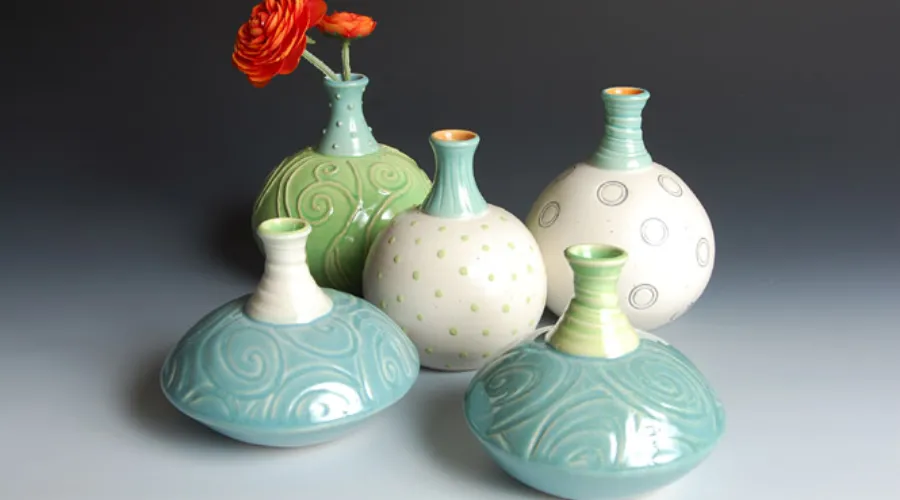
Functional art is one of the most rewarding categories of market finds. Markets in Japan, Mexico, and Turkey often feature stunning pottery, hand-painted ceramics, and traditional cooking vessels. In Kyoto, handcrafted tea sets and ceramic bowls emphasize minimalistic beauty and meticulous technique. In Oaxaca, Mexico, colorful Talavera tiles and pottery capture the vibrancy of local traditions. Turkish bazaars frequently showcase delicate Iznik ceramics adorned with intricate patterns, ideal for home décor or as striking souvenirs. These items combine utility with artistry, offering travelers a tangible reminder of their journey that can be integrated into daily life.
Culinary and Flavorful Market Finds
Local Spices, Teas, and Coffee

The flavors of a region are some of the most evocative souvenirs one can bring home. Markets around the world offer a rich variety of culinary delights that tell stories of agriculture, history, and trade. In Marrakech, spice markets feature saffron, cumin, turmeric, and preserved lemons—ingredients that define Moroccan cuisine. Istanbul’s Spice Bazaar provides an intoxicating mix of herbs, teas, and traditional sweets that reflect the city’s historical role as a trade hub. In Southeast Asia, markets in Vietnam and Thailand sell aromatic coffee, fresh herbs, and locally sourced teas that allow travelers to bring a taste of their journey back home.
Handcrafted Edible Goods and Local Specialties
Many markets also provide access to artisanal and locally made food items. In Italy, open-air markets offer regional cheeses, olive oils, and balsamic vinegar, often sold by producers themselves. In France, markets in Provence feature handmade chocolates, nougats, and cured meats. For travelers, these edible treasures provide a sensory connection to the place, and they often make for memorable gifts. Buying directly from producers also ensures authenticity and supports small-scale artisans who continue centuries-old culinary traditions.
Specialty Cookware and Culinary Tools

Some markets go beyond ingredients, offering tools and cookware that are both functional and culturally significant. In Morocco, tagines—conical clay cooking vessels—are a must-buy for culinary enthusiasts. Japanese markets often sell hand-forged knives, bamboo steamers, and traditional tea ceremony utensils, providing travelers with items that enhance both kitchen performance and appreciation for cultural craft. These tools allow you to recreate flavors and techniques experienced during your travels, extending the journey into your everyday life.
Unique Fashion, Home Décor, and Cultural Memorabilia
Vintage and Upcycled Finds
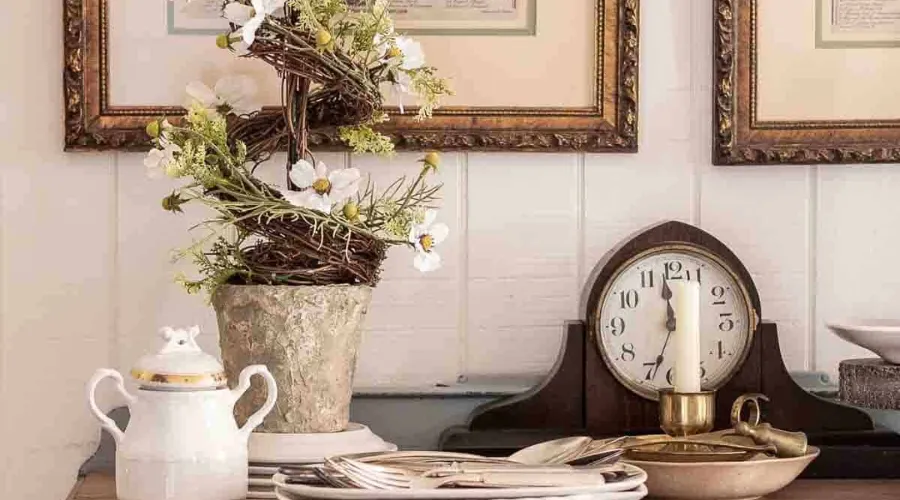
Flea markets and antique bazaars present an opportunity to discover history-infused treasures. Markets in Paris, London, and Berlin are celebrated for vintage clothing, jewelry, furniture, and quirky collectibles. Each item carries a story—sometimes decades or even centuries old—and gives travelers the thrill of uncovering something truly unique. Whether it’s a mid-century lamp, a leather satchel, or retro fashion, these finds offer both aesthetic appeal and historical charm.
Handcrafted Furniture and Home Accessories
For those seeking statement pieces, markets in countries like Thailand, Indonesia, and Morocco often feature handcrafted furniture, decorative baskets, and artisanal home accessories. Teak wood carvings from Bali, mosaic lanterns from Morocco, and hand-painted furniture from India offer travelers an opportunity to bring home a piece of the region’s design philosophy. Purchasing these items directly from local artisans also helps sustain traditional crafts that may otherwise be overshadowed by mass production.
Cultural Memorabilia and Souvenirs with Meaning

Beyond functional or decorative items, markets are filled with cultural memorabilia that reflect the values, history, and spirit of a place. From miniature statues and masks in Guatemala to traditional masks and textiles in West Africa, these items tell stories and capture heritage. When chosen thoughtfully, cultural souvenirs serve as both conversation starters and educational tools, allowing travelers to share the narratives behind the items with friends and family back home.
Conclusion
Exploring local markets is more than a shopping experience—it’s a journey into the heart of a place. Each market item, whether it’s a handcrafted rug, aromatic spice, vintage accessory, or artistic home décor piece, carries a story of the people, history, and traditions that shaped it. By shopping intentionally and respectfully, travelers can connect with local communities, support artisans, and collect memories in the form of tangible treasures.
When you return home, these market finds are not just objects—they are portals. A scarf might remind you of bargaining in Marrakech’s medina, a ceramic bowl might transport you back to Kyoto’s serene streets, and a vintage piece might evoke an afternoon spent in Paris hunting for hidden gems. Each item becomes part of your personal travel story, keeping the experience alive long after the journey ends.
