
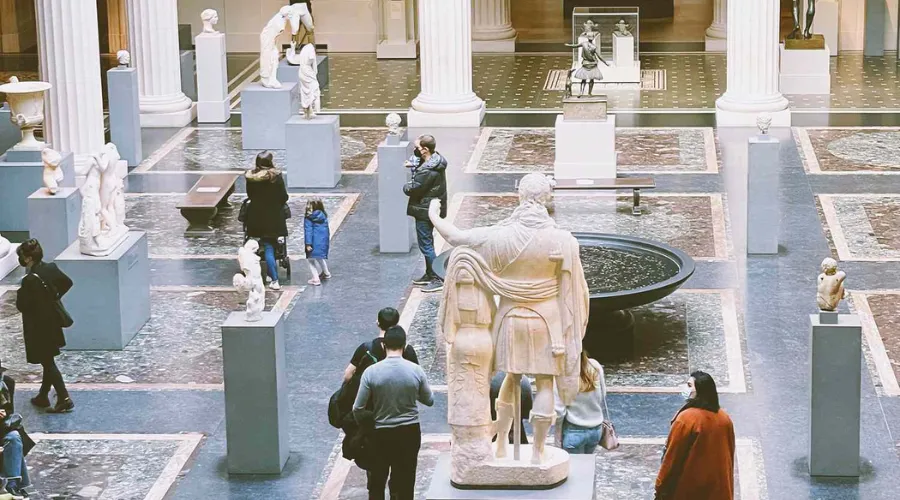
There is something magical about museums. They are more than buildings filled with artifacts—they are living portals into humanity’s collective memory. Every sculpture, painting, woven tapestry, or relic tells a story of identity, belief, creativity, and evolution. For culture lovers, museums are the heartbeat of travel. They serve as immersive classrooms where travelers learn not only about the world, but also about themselves. Whether you are fascinated by ancient civilizations, indigenous traditions, or artistic revolutions, cultural museums around the globe offer unforgettable experiences that broaden horizons and deepen appreciation of our shared heritage.
Below are some of the most inspiring cultural museums across continents—places where culture doesn’t simply appear on display, but surrounds you in its most authentic and captivating form.
Artistic Heritage Shaped Through Centuries
The Louvre Museum – Paris, France
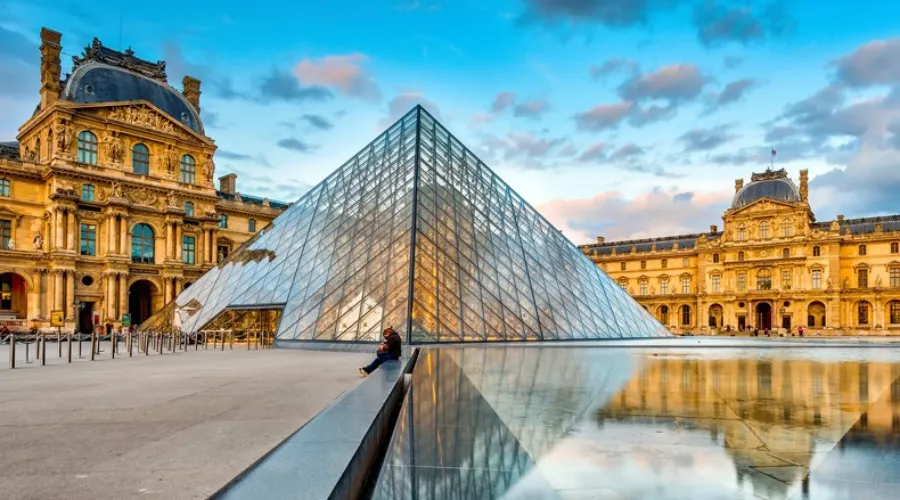
Often described as the crown jewel of the world’s art museums, the Louvre transcends its popularity as a travel icon. Beyond the Mona Lisa and the Venus de Milo lies a labyrinth of artistic evolution spanning eight centuries. The Louvre allows visitors to walk through ancient Egyptian artifacts, medieval European treasures, and Renaissance masterpieces, witnessing how art shaped history and vice versa. Every hall evokes a different era, making it one of the richest cultural experiences on the planet.
The Hermitage Museum – St. Petersburg, Russia
With more than three million works in its collection, the Hermitage is a universe of culture contained within one of the most stunning architectural complexes in Europe. From Western European masterpieces to Russian imperial collections, the museum showcases how civilizations influenced each other across eras. The opulence of the Winter Palace and the emotional depth of Russian art amplify its cultural impact, leaving visitors in awe of both history and aesthetics.
The Metropolitan Museum of Art – New York, USA
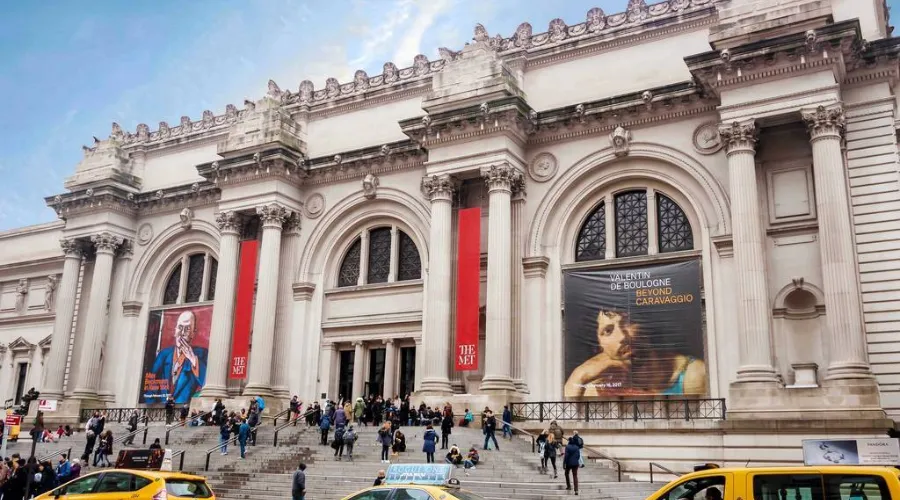
The Met is a cultural bridge that connects global artistic traditions in one place—1.5 million pieces from every corner of the world. Visitors can stand before ancient Greek marble statues, step into the Temple of Dendur, admire Japanese Edo-era scrolls, and reflect upon American modernism, all in a single day. It is not just a museum but a vast cultural conversation piece, where travelers can observe universal themes expressed through unique artistic voices.
Museums That Preserve Cultural Identity and Traditions
The National Museum of Anthropology – Mexico City, Mexico
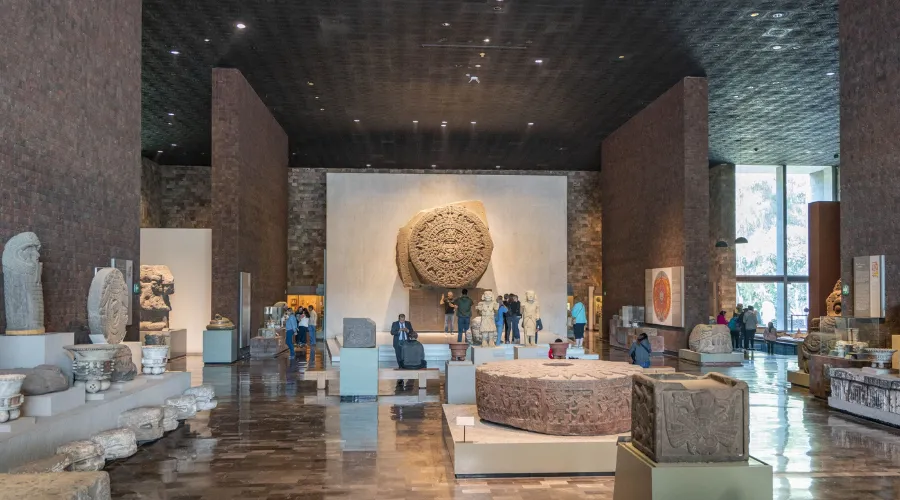
Mexico’s indigenous heritage is one of the most diverse cultural tapestries in the world, and the National Museum of Anthropology honors that history with brilliance. The colossal stone heads of the Olmecs, the Sun Stone of the Aztecs, and traditional Mayan artifacts tell the story of ancient societies rich in astronomy, agriculture, mythology, and artistic expression. The museum encourages cultural exploration that goes far beyond history—it presents traditions that still shape modern Mexican identity.
The Museum of New Zealand Te Papa Tongarewa – Wellington, New Zealand
Te Papa is a dynamic, interactive celebration of Māori culture and New Zealand’s sociocultural evolution. Exhibits explore ancestral migration, sacred rituals, and artistic expression, while modern sections introduce contemporary Māori voices and identities. For travelers passionate about indigenous heritage, Te Papa offers a respectful and deeply immersive way to learn from the people whose stories it preserves.
The National Museum of African American History and Culture – Washington, D.C., USA
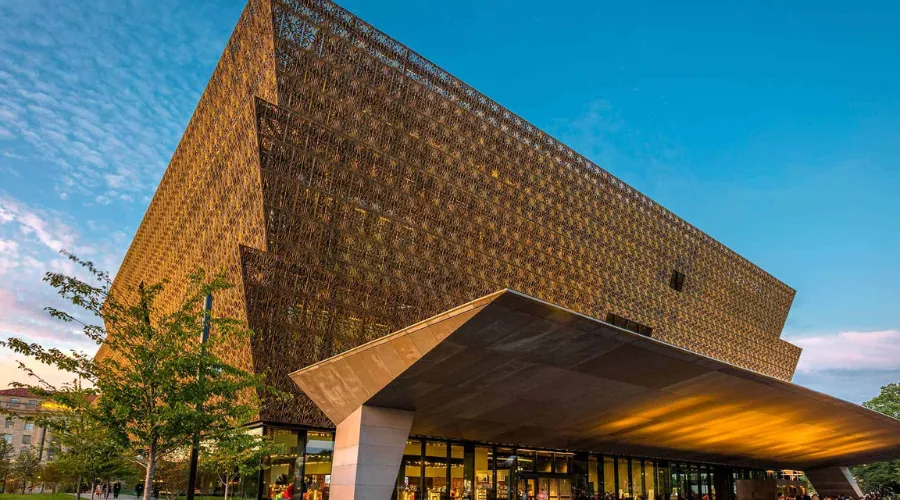
Located on the National Mall, this Smithsonian museum tells powerful historical truths through personal stories, cultural movements, and generational artistry. Exhibits follow the journey from slavery to civil rights to modern Black achievements in music, film, politics, and innovation. Visitors often describe the museum as transformative because it confronts both tragedy and triumph with emotional clarity and cultural pride.
Immersive Museums That Bring History to Life
The Egyptian Museum – Cairo, Egypt
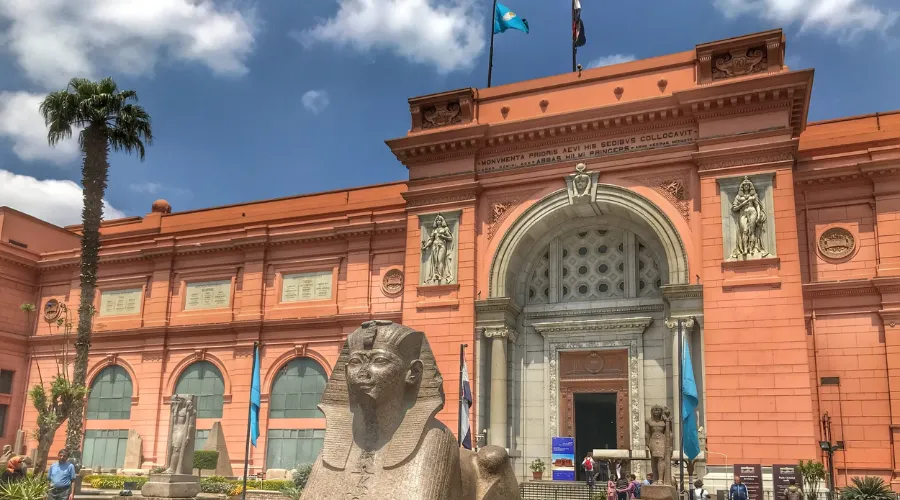
Stepping into the Egyptian Museum feels like stepping into ancient mythology and royalty. Mummies, sarcophagi, golden burial treasures, and hieroglyphic tablets offer a tangible connection to a civilization that shaped modern human thought. Visitors don’t just learn about Egypt—they experience its belief systems, architectural genius, and ceremonial traditions tied to the afterlife.
The Acropolis Museum – Athens, Greece
Few museums are as inseparable from their physical setting as the Acropolis Museum. With views of the Parthenon towering above, the museum houses artifacts discovered around the Acropolis itself, restoring fragmented pieces of ancient Greek history. The glass floor and architectural transparency give the sensation of walking directly over ancient streets, making the storytelling deeply immersive.
The British Museum – London, United Kingdom
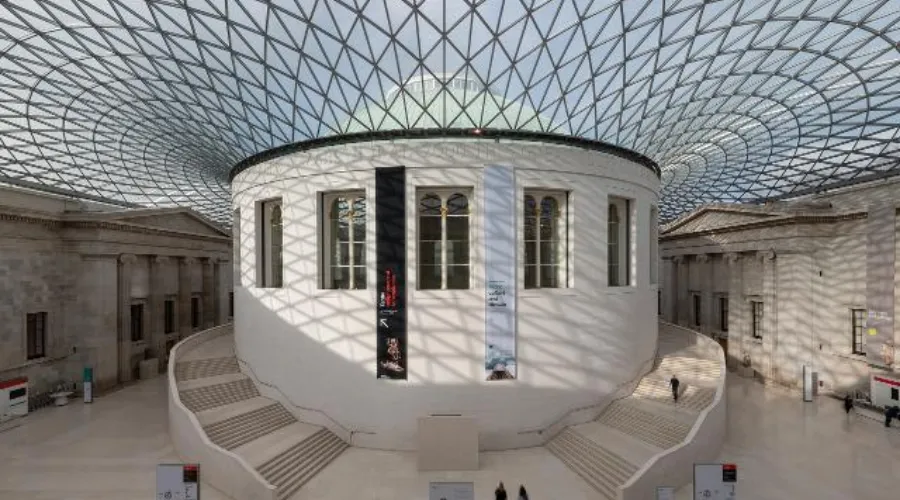
The British Museum is one of the most comprehensive historical archives in the world. Its global exhibit range—from Mesopotamian clay tablets to African bronzes and the famous Rosetta Stone—creates a panoramic look at humanity’s milestones. While the museum has sparked important discussions about artifact repatriation, it remains a powerful cultural encyclopedia that encourages visitors to think critically about colonial history and the movement of cultural treasures.
Why Cultural Museums Matter in Modern Travel
Cultural museums have become a vital part of travel because they allow visitors to connect with global narratives that go beyond tourism. Beyond curiosity, museums cultivate understanding—between generations, religions, ethnicities, and nations. In a world that often highlights division, museums demonstrate how interconnected human development really is.
For culture lovers, exploring museums fosters more meaningful travel. Rather than simply seeing a destination, travelers learn it. They compare, analyze, empathize, and reflect. They leave with not only memories but perspective.
Planning an Inspiring Museum-based Travel Journey
If you’re ready to build your travels around cultural discovery, here are a few suggestions:
- Choose museums that align with your passions—ancient civilizations, art history, anthropology, maritime cultures, etc.
- Devote time to cultural neighborhoods surrounding museums; often, they hold additional stories in food, architecture, music, and local traditions.
- Visit with curiosity rather than checklist pressure—sometimes one exhibit can inspire more than an entire building.
- Support local artisans or cultural projects connected to the museums you visit.
- Balance museum visits with cultural immersion experiences—festivals, heritage walks, workshops, and performances bring history into the present.
Conclusion
Cultural museums are not passive places; they are vessels of collective memory and identity. They preserve what time might otherwise erase and allow us to witness the wisdom, struggle, imagination, and beauty of the human journey. For anyone who loves culture, they are essential stops—not just for education, but for inspiration.
