
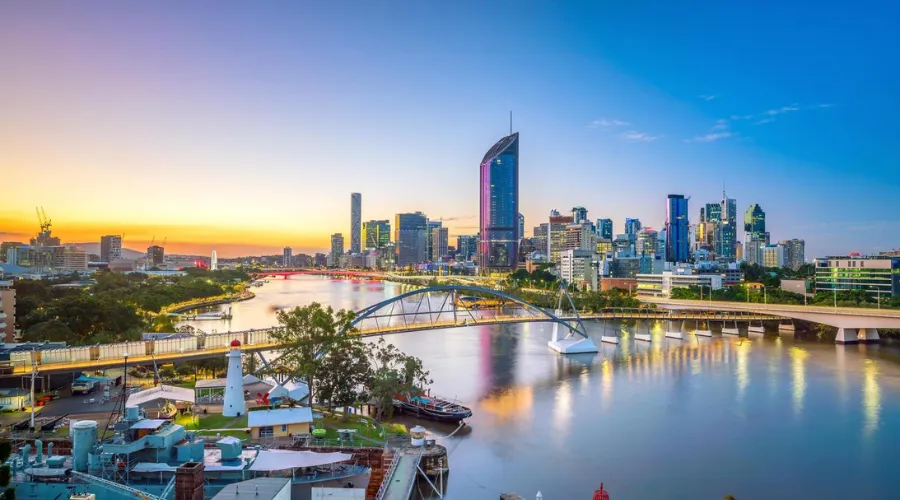
Urban travel is more than hopping from one landmark to another—it’s about feeling the heartbeat of a city, tasting its everyday life, and blending in with the locals. Whether you’re wandering through the buzzing streets of New York, sipping coffee in a hidden Tokyo café, or browsing vintage markets in Berlin, the real excitement begins the moment you step beyond tourist traps and into authentic city culture. This urban travel guide will help you uncover the unseen, navigate vibrant city life with ease, and discover how to experience any city like it’s your second home.
Understanding the Soul of a City
Learn the City’s Rhythm
Every city has a rhythm—rush-hour sprints, late-night laughter, or tranquil morning routines. Pay attention to when cafés fill up, when trains are packed, or when parks become social hubs. Adapting to the local schedule helps you blend in and enjoy daily activities without long queues and crowds. For example, locals often enjoy museums on weekday mornings rather than weekends; timing your visits this way will save time and offer quieter, richer experiences.
Connect With Neighborhood Diversity

Urban cities are rarely homogeneous—each district has its own flavor. Instead of sticking to the central commercial hub, venture outward. A city’s essence often lives in neighborhoods where people work, socialize, and carry out their routines. Look for differences between artistic quarters, business districts, waterfront communities, and suburban cultural enclaves. You’ll not only find unique shops and restaurants but also learn how the city’s history shaped its geography.
Master Public Transportation
If you want to travel like a local, skip taxis when possible. Trams, metro lines, buses, and bike lanes form the arteries of many major cities. Learning the transport card system and common routes can drastically enhance your mobility and help you understand how residents move through their world. Apps like Google Maps, Citymapper, and individual city transport apps are indispensable tools for fast navigation.
Observe Local Etiquette and Lifestyle
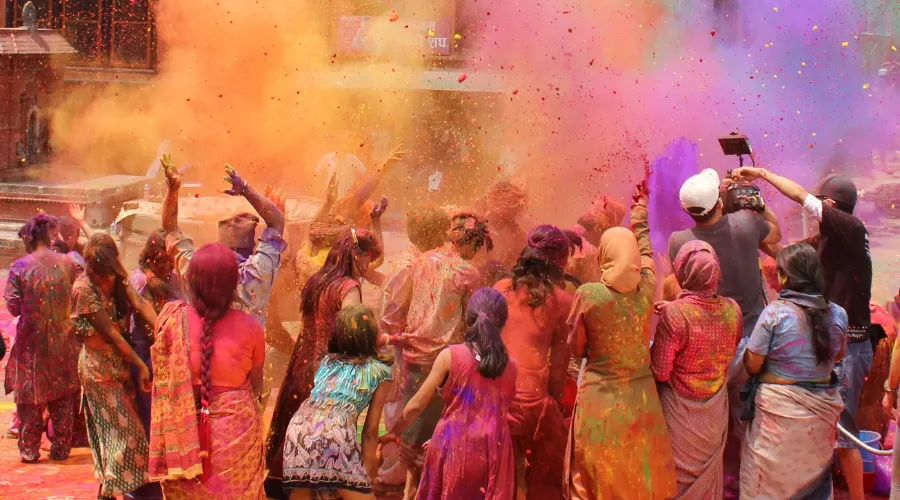
Cities welcome outsiders, but fitting in enhances your experience. Some cities value quiet subway rides, some expect lively marketplace bargaining, and others follow strong pedestrian cycling etiquette. Small gestures—standing right on escalators, tipping when appropriate, using reusable bags, or speaking a few local words—make you feel like part of the community rather than just a visitor passing through.
Discovering Hidden Urban Wonders
Follow Locals to Food and Coffee

The quickest way to a city’s culture is through its food scene. Instead of dining only at popular restaurants recommended in travel brochures, follow locals to neighborhood cafés, independent bakeries, street-food stalls, and weeknight hangouts. Try daily specials rather than tourist-oriented dishes, and ask servers or baristas for their personal favorites. Markets—like Borough Market in London or La Boqueria in Barcelona—offer a powerful taste of culinary tradition mixed with modern innovation.
Seek Out Affordable Cultural Experiences
Urban culture isn’t limited to expensive shows and museums. Many cities offer low-cost or free cultural programs that draw locals every week—open-air concerts, film screenings, free gallery nights, discussion circles, poetry readings, and university events. Even small theaters and indie music bars become gateways to local artistry. Keep a lookout for neighborhood event posters and city cultural calendars; these lead to some of the most memorable experiences.
Discover Urban Nature and Relaxation Spots
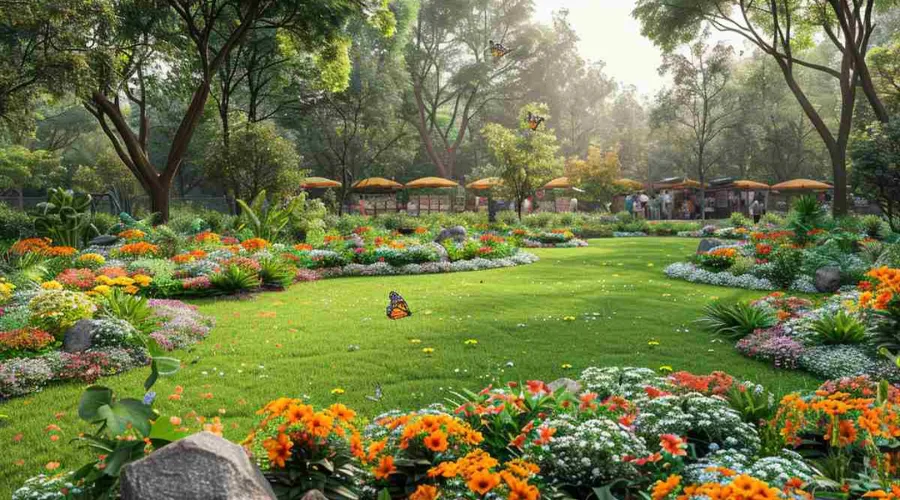
Even the busiest cities hold pockets of tranquility. Rooftop gardens, riverside promenades, botanical parks, and forest-like walking trails offer breaks from the urban buzz. Locals often know the best picnic lawns, outdoor yoga fields, running routes, and sunset viewpoints that don’t appear on typical travel lists. These peaceful spots not only recharge your energy but help you immerse in local routines such as morning jogs or afternoon reading sessions.
Wander Without a Plan
Some of the best discoveries happen when you ditch the strict itinerary and simply walk. Urban exploration reveals murals, antique shops, charming side streets, tiny family-run restaurants, and unexpected viewpoints. Follow your curiosity—look down alleyways, explore courtyards, and peek into vintage bookstores. Cities reward explorers who look beyond main avenues.
Living Like a Local During Your Stay
Choose Local Accommodation Styles

Hotels are comfortable, but neighborhoods reveal more when you stay in homestays, boutique apartments, and local guesthouses. Choose areas where residents live and work rather than only tourist hotspots. Not only will you enjoy quieter mornings and authentic dining options, but you’ll also gain insight into the daily rhythm of the city—children going to school, commuters heading to work, and neighbors chatting in courtyards.
Shop and Support Community Businesses
Buying souvenirs from tourist shops doesn’t compare to finding handmade products directly from local artisans. Visit craft markets, independent fashion boutiques, local breweries, and bookstores that showcase regional creators. This not only gives you memorable souvenirs with stories behind them—but also supports individuals who sustain the city’s cultural identity.
Build Micro-Routines During Your Trip
One of the best ways to feel at home in a foreign city is to create small rituals during your stay. Have breakfast in the same café each morning, take an evening walk through a nearby park, or buy fresh fruit from the same vendor. These micro-routines create a sense of belonging and help you feel less like a spectator and more like a temporary resident.
Engage With the Community
Start conversations whenever possible—ask locals for recommendations, join hobby groups or fitness classes, or attend workshops and meetups. Many cities have free walking tours hosted by residents who share insider knowledge. Social interactions unlock cultural understanding that guidebooks can’t capture. If you’re shy, consider joining group activities like cooking classes, art sessions, or food tours where conversation happens naturally.
Conclusion
Urban cities are living stories—constantly shifting, buzzing with ideas, blending cultures, and surprising even their longtime residents. When you explore like a local, you’re not just sightseeing—you’re stepping into the narrative of a place and allowing it to change you.
