
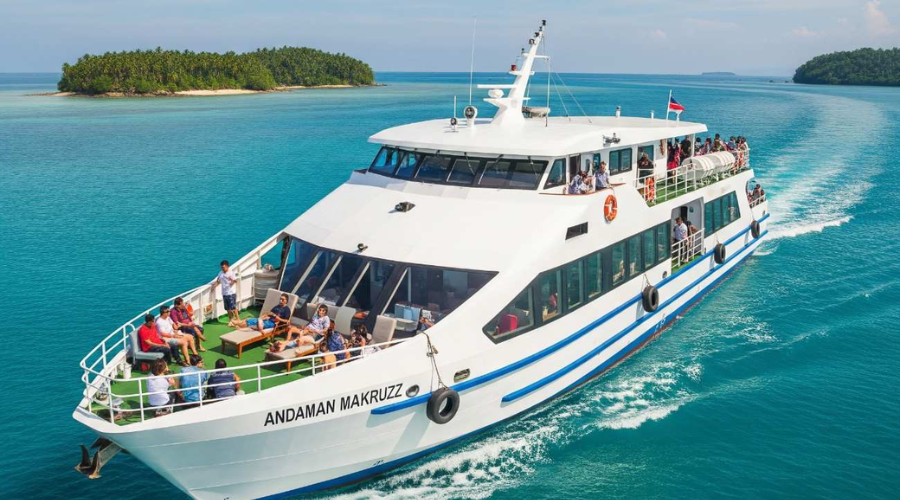
Traveling offers endless opportunities for adventure, yet few experiences rival the calming rhythm and scenic beauty of a ferry journey. Gliding across open waters, feeling the fresh breeze, and watching the coastline unfold provides a unique perspective of a destination that airplanes or road travel simply cannot match. Ferry travel is not just about transportation—it is an experience in itself, blending convenience, relaxation, and stunning scenery. For travelers seeking a blend of leisure, exploration, and maritime charm, understanding the nuances of ferry travel can transform a simple crossing into a memorable holiday. This guide explores everything you need to know about planning, enjoying, and maximizing your ferry holiday experience.
Understanding Ferry Travel: Why It’s More Than Just a Ride
Ferries are often seen as a practical mode of transport, but they offer much more than simple connectivity between two points. Recognizing the benefits of ferry travel helps travelers plan experiences that combine efficiency and enjoyment.
The Unique Appeal of Ferry Travel
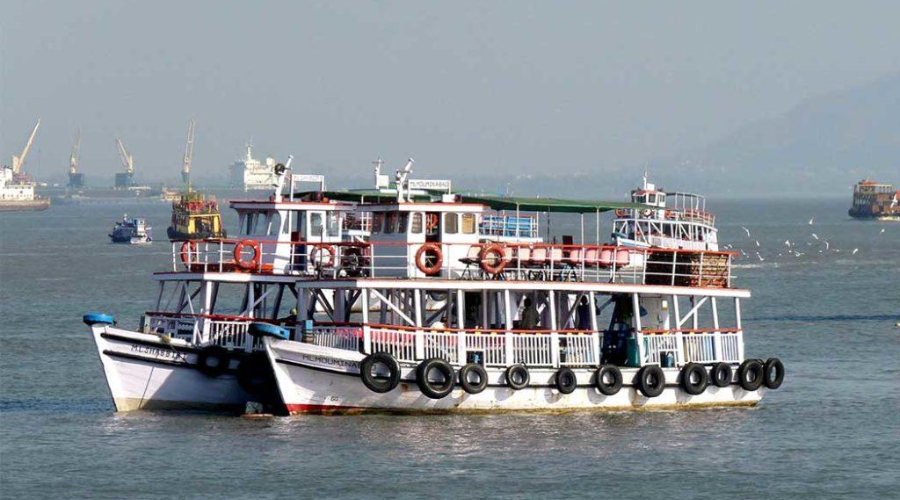
Ferry journeys allow travelers to appreciate landscapes from a perspective unattainable by land transport. From rugged cliffs and serene islands to bustling ports and tranquil bays, ferries provide panoramic views of natural and urban beauty. Unlike planes, ferries move at a slower pace, encouraging passengers to soak in the surroundings and enjoy a more relaxed, immersive experience.
Combining Travel and Leisure
Modern ferries often provide onboard amenities designed to make the journey enjoyable. Comfortable seating, outdoor decks, cafés, and even small shops transform the crossing into a leisure experience. For families, couples, or solo travelers, these features allow relaxation while moving efficiently between destinations.
Versatility and Accessibility
Ferries connect major cities, remote islands, and coastal regions that are otherwise difficult to reach. For travelers seeking off-the-beaten-path experiences, ferries provide access to destinations not serviced by conventional transport. Vehicles can often be carried on ferries, offering flexibility for those traveling with cars, motorcycles, or bicycles.
Sustainability and Scenic Advantages
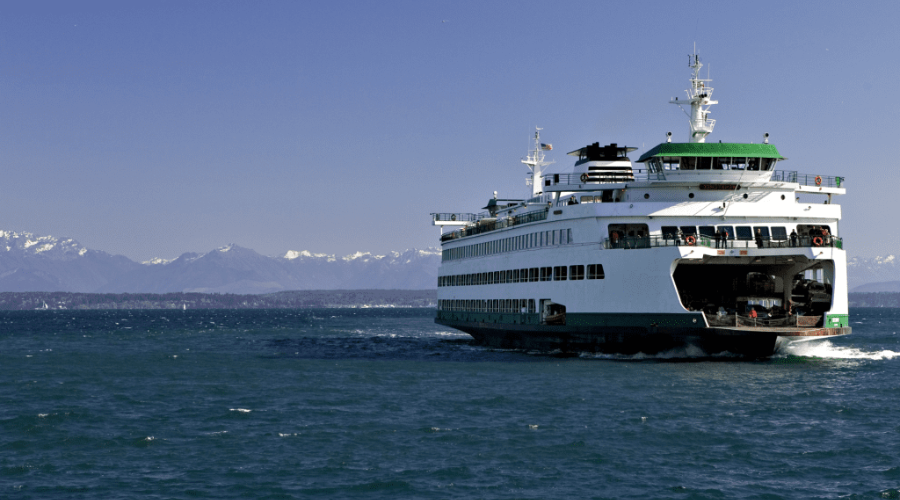
For environmentally conscious travelers, ferries offer a greener alternative to air travel. Traveling by water reduces carbon footprints while still providing spectacular scenery. The gentle motion of the vessel and the proximity to water create a sense of serenity that is difficult to replicate in other modes of transportation.
Planning Your Ferry Holiday: Routes, Schedules, and Travel Tips
Ferry travel can be seamless and stress-free with careful planning. Understanding routes, schedules, and key considerations ensures a smooth journey.
Choosing the Right Route
Ferry routes vary widely depending on the region and type of experience desired. Some ferries are short commuter crossings, while others are long scenic voyages connecting multiple islands or countries. When selecting a route, consider:
- Duration of the journey
- Scenic highlights and natural landmarks
- Proximity to accommodations or tourist attractions
Popular routes in Europe, Southeast Asia, and North America, for instance, offer a mix of short trips and multi-day journeys through breathtaking landscapes.
Booking in Advance vs. Onboard Purchase
Many ferries allow onboard ticket purchase, but pre-booking is often recommended, especially during peak tourist seasons. Advanced booking guarantees availability, allows for seat or cabin selection, and may offer discounted fares. For routes that accommodate vehicles, pre-booking is essential to secure space for cars, motorcycles, or bicycles.
Understanding Ferry Types
Ferries differ in size, speed, and service. Conventional ferries offer spacious decks, basic amenities, and a relaxed pace, ideal for sightseeing. High-speed ferries reduce travel time but may provide less opportunity to enjoy the scenery. Luxury ferries combine speed with upscale amenities, such as private cabins, restaurants, and lounges, creating a premium experience.
Timing Your Journey
Departure times and travel duration can significantly influence your experience. Morning or afternoon crossings provide the best daylight views, while evening trips may offer stunning sunsets over the water. Long journeys often include onboard services like dining or entertainment, so planning for meal times and breaks enhances comfort.
Preparing for the Seas
Even short ferry trips can be affected by weather conditions. Pack accordingly with light jackets, sunglasses, and comfortable footwear. For longer journeys, seasickness remedies, snacks, and entertainment such as books or digital devices can make the trip more enjoyable. Outdoor decks often provide the best views but may be cooler or windier than indoor seating.
Enhancing the Ferry Experience: Comfort, Sightseeing, and Onboard Activities
A ferry journey is an opportunity to enjoy both comfort and exploration. Utilizing onboard facilities and engaging with the surrounding scenery elevates the travel experience.
Maximizing Scenic Views

Ferries provide unmatched vantage points for photography and sightseeing. Outdoor decks, observation lounges, and windows allow travelers to capture panoramic views of coastlines, islands, and marine life. Early morning or late afternoon light enhances photography, while keeping binoculars handy can reveal distant landmarks and wildlife.
Onboard Comfort and Amenities
Modern ferries offer a range of amenities designed for passenger comfort. Cafés, restaurants, and snack bars provide meals and refreshments, while lounges and reclining seats create relaxation zones. Some long-distance ferries offer cabins or sleeping areas, allowing passengers to rest during overnight journeys. Taking advantage of these features ensures a comfortable and enjoyable trip, regardless of journey length.
Planning Stops and Excursions
Many ferry routes include stops at multiple ports or islands. Planning excursions in advance ensures travelers can explore efficiently. Whether it’s visiting a historic town, hiking a coastal trail, or enjoying a beach, scheduling stops around ferry timetables allows for a seamless combination of sightseeing and travel.
Engaging with Local Culture
Ferry terminals often reflect the culture and character of the region. Exploring ports before or after the ferry ride allows travelers to discover local markets, cuisine, and traditions. Some ferries even include cultural presentations or guided tours as part of the journey, enriching the experience beyond simple transportation.
Safety and Practical Tips
Safety is paramount on ferry journeys. Pay attention to safety briefings, know the location of life jackets and emergency exits, and follow crew instructions. For solo travelers or families, keeping personal belongings secure and maintaining awareness of schedules ensures a smooth, worry-free experience. Additionally, checking ferry operators’ websites for updates on weather or service changes can prevent disruptions.
Combining Ferry Travel With Other Modes
Ferry journeys often complement other travel modes. For instance, combining ferries with trains, buses, or cycling tours allows for comprehensive exploration of a region. Using ferries to reach islands or remote coastal towns, then continuing exploration by land, creates a diverse and immersive travel itinerary.
Conclusion
Ferry travel offers a unique combination of serenity, scenery, and convenience that enhances any holiday. Unlike other forms of transportation, ferries allow travelers to slow down, enjoy the natural beauty of coastlines and open waters, and experience destinations from a fresh perspective. By planning routes, understanding schedules, and leveraging onboard amenities, travelers can transform a simple crossing into a memorable adventure. The choice of ferry type—whether high-speed, conventional, or luxury—allows customization according to time, comfort, and budget.
