
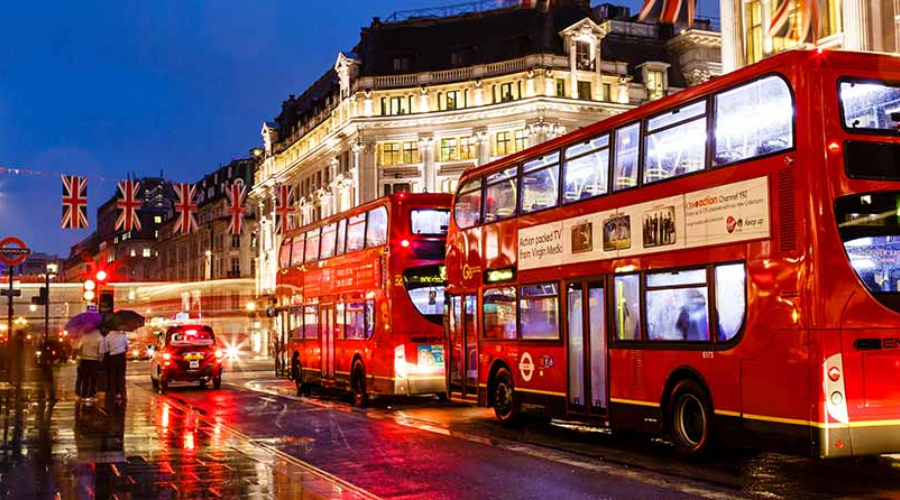
Exploring a new city can be one of the most exciting parts of travel, but it can also be overwhelming. With unfamiliar streets, traffic congestion, and a maze of public transportation options, navigating efficiently is often a challenge. Knowing how to move through a city like a pro not only saves time and money but also reduces stress and allows travelers to make the most of every moment. Whether you’re visiting a bustling metropolis or a smaller urban area, understanding city transport systems, planning your routes, and choosing the best mode of travel can transform your experience. This guide will provide insider tips, practical strategies, and detailed advice on navigating cities with ease.
Understanding City Transport Options: Choosing What Works Best
Each city has its own transportation infrastructure, and knowing the available options is essential for efficient travel. From buses to bicycles, each mode offers unique benefits depending on your destination, budget, and comfort preferences.
Public Transport: Buses, Trains, and Trams
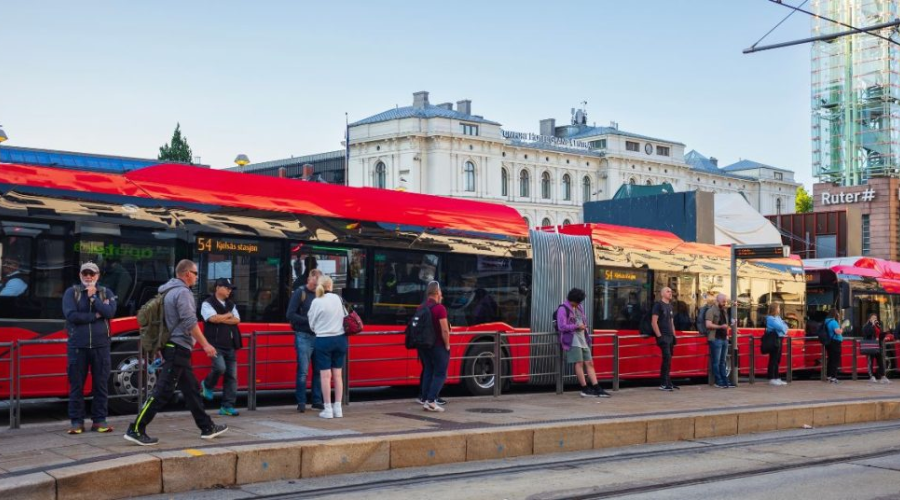
Public transportation is often the most cost-effective way to navigate a city. Buses, metro systems, and trams cover extensive routes, allowing travelers to reach popular landmarks and hidden neighborhoods alike. Metro systems are typically fast and reliable, avoiding traffic congestion, while buses provide flexibility with stops closer to residential areas. Trams offer scenic rides through city streets and are usually less crowded than buses or trains.
To maximize efficiency, familiarize yourself with route maps, schedules, and fare systems. Many cities offer mobile apps or online maps that provide real-time tracking, helping you plan your journey accurately. Consider purchasing day passes or multi-ride tickets for convenience and cost savings.
Ride-Hailing and Taxis: Flexibility On Demand
Ride-hailing apps like Uber, Lyft, or local alternatives provide a convenient option for door-to-door travel. Unlike public transport, these services are on-demand and ideal for routes that are less accessible by bus or train. Taxis are widely available in most cities and offer a straightforward option for travelers unfamiliar with public transport. While often more expensive than buses or metro, ride-hailing provides time savings and comfort, particularly during peak hours or late-night travel.
Bicycles and E-Scooters: Eco-Friendly Short Trips
For short distances, renting a bicycle or electric scooter can be both fun and efficient. Many cities now offer bike-sharing programs with docking stations at key locations. E-scooters are increasingly popular in urban centers, providing a quick and eco-friendly way to navigate traffic-heavy areas. Both options allow travelers to move at their own pace, enjoy the surroundings, and access routes not always reachable by cars or public transport.
Walking: The Ultimate Local Experience
Some cities are best explored on foot, especially historic districts or compact urban centers. Walking provides flexibility, allows you to notice details that you might miss in a vehicle, and promotes physical activity. Pair walking with public transport or ride-hailing for longer distances to create a hybrid, efficient approach to urban travel.
Car Rentals and Short-Term Rentals
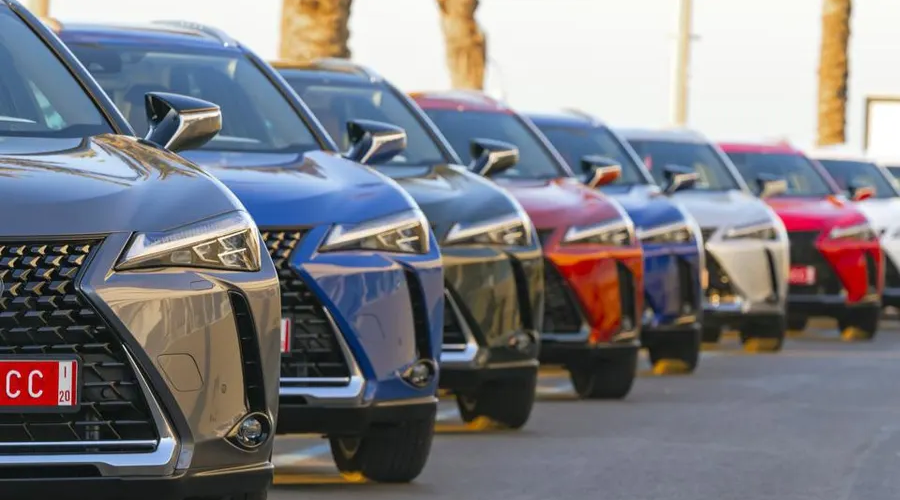
While not always necessary in city centers with strong public transport, renting a car can be convenient for travelers planning to explore suburban areas, surrounding attractions, or regions with limited transit options. Short-term car rentals, car-sharing apps, and even electric vehicle rentals offer flexibility for personalized itineraries, though you must account for traffic, parking, and fuel costs.
Planning Your City Travel Like A Pro
Efficient city navigation requires careful planning, understanding local rules, and leveraging technology to make travel seamless and stress-free.
Researching Transportation Networks in Advance
Before arriving, study the city’s transport network, including metro lines, bus routes, and main thoroughfares. Knowing the layout helps you avoid unnecessary detours and reduces anxiety when using unfamiliar systems. Official transport websites often provide route maps, fare calculators, and suggested itineraries for popular tourist spots.
Using Apps for Real-Time Navigation
Mobile apps like Google Maps, Citymapper, and local transit apps provide real-time updates on routes, delays, and service changes. These tools allow travelers to adjust their plans on the fly, select optimal routes, and minimize waiting times. Some apps even provide cost comparisons between public transport and ride-hailing, helping you make budget-conscious choices.
Timing Your Journeys Strategically
Rush hours, typically early morning and late afternoon, can make travel slower and more stressful. Planning trips outside peak times ensures faster rides, less crowded public transport, and a more relaxed experience. For longer city exploration, consider starting early to beat both traffic and tourist crowds.
Combining Transport Modes
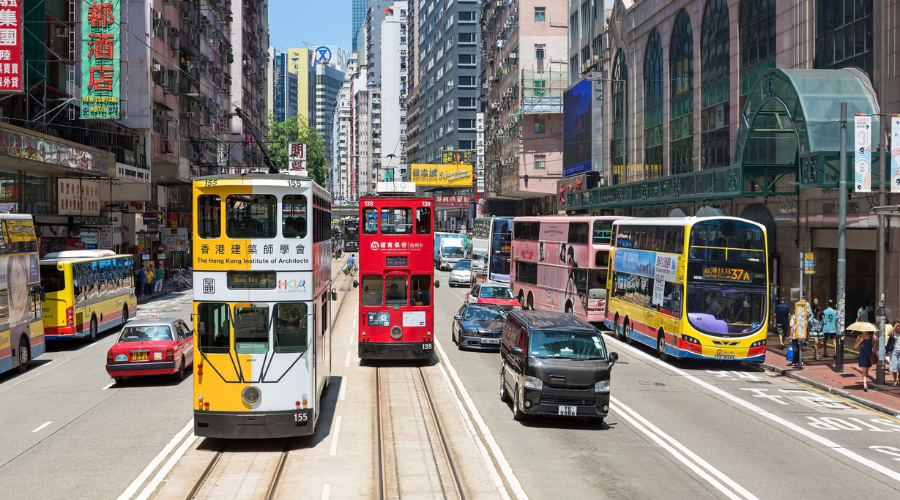
Many experienced travelers use a combination of public transport, walking, and ride-hailing for maximum efficiency. For example, take the metro to cover long distances quickly, then switch to walking or bike-sharing for short trips between attractions. This hybrid approach saves time, reduces fatigue, and allows greater flexibility in exploring diverse areas of the city.
Understanding Fare Systems and Payment Options
Most cities now offer contactless payment, reloadable transit cards, or mobile tickets for convenience. Understanding the fare system avoids overpaying and ensures smooth entry onto buses, trains, or trams. Some cities provide tourist cards or unlimited-day passes that include transport and discounted entry to popular attractions, offering both convenience and savings.
Insider Tips for Efficient and Stress-Free City Navigation
Even with the best planning, small strategies can make city travel even smoother and more enjoyable.
Learn Key Landmarks and Reference Points
Familiarize yourself with major landmarks, street names, and popular districts. Knowing key points of reference makes it easier to ask for directions, follow maps, and navigate efficiently without getting lost. Even a basic understanding of the city layout can save time and reduce stress.
Keep Essentials Accessible
When using public transport or walking, keep essential items like a map, mobile device, travel card, and a small amount of cash handy. Having everything within reach allows for smooth transitions between transport modes and reduces delays or frustration while searching for tickets or directions.
Avoid Overpacking and Travel Light
Carrying excessive luggage can slow you down, especially on crowded public transport or while walking. Pack light and use backpacks or small rolling suitcases that are easy to manage. Light packing improves mobility and makes it easier to switch between transport options.
Stay Aware of Safety Considerations
Certain city areas or transport modes may have specific safety considerations. Keep an eye on personal belongings, avoid poorly lit streets at night, and follow local advice regarding safe travel routes. Using official transport services or trusted ride-hailing apps enhances safety and reduces risks.
Ask Locals for Tips
Sometimes the best advice comes from residents. Ask hotel staff, tour guides, or local business owners for recommendations on the fastest routes, quieter transit times, or shortcuts. Locals often know practical tips that aren’t available in apps or travel guides, giving you an insider advantage.
Plan for Accessibility Needs
If you have mobility challenges, research the city’s accessibility options in advance. Many public transport systems provide elevators, ramps, and priority seating. Ride-hailing services may offer vehicles with additional accessibility features, ensuring a smooth experience for all travelers.
Conclusion
Navigating a city efficiently is a skill that transforms travel from a stressful challenge into a smooth, enjoyable experience. Understanding the variety of transport options, from public transit and ride-hailing to walking and cycling, allows travelers to choose the mode best suited to their needs. Planning routes in advance, leveraging technology, timing journeys strategically, and combining transport modes maximizes efficiency and comfort. Insider strategies like knowing key landmarks, packing light, and consulting locals further enhance your ability to move through urban environments like a pro.
