

Traveling on a budget doesn’t mean compromising on experience, comfort, or community. For modern travelers, hostels have evolved far beyond the basic dormitory accommodations of the past. Today’s hostels offer stylish, clean, and sociable spaces that cater to solo adventurers, backpackers, and even budget-conscious families or groups. Staying in a hostel can provide more than a bed—it offers opportunities to meet like-minded travelers, explore destinations with insider knowledge, and enjoy cost-effective access to unique experiences. In this guide, we’ll explore why hostels are a smart choice for budget travelers, the types of hostels available, and practical tips for making the most of an affordable stay.
Why Hostels Are Ideal for Budget Travelers
Hostels are no longer just a cheap alternative; they are strategic choices for travelers who value affordability, community, and convenience. Understanding the benefits of hostels helps travelers maximize their experiences without overspending.
Cost-Effective Accommodation Without Sacrifice
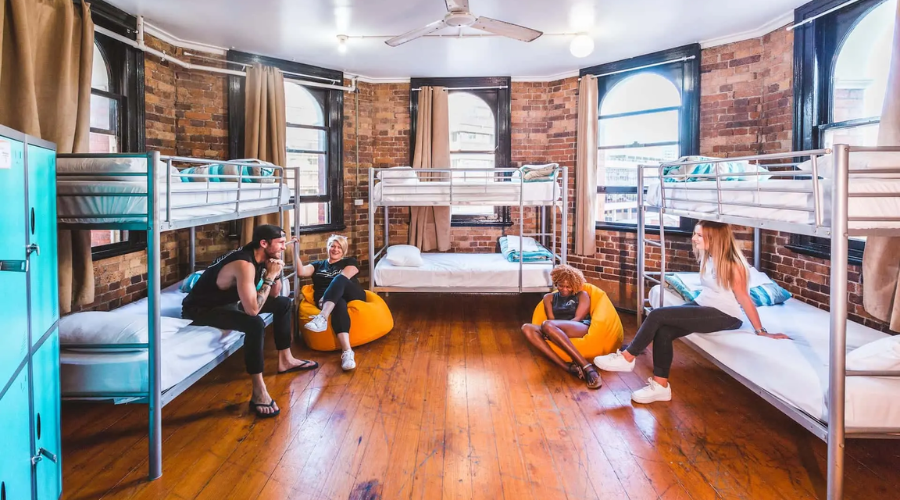
The most obvious advantage of hostels is their affordability. Dormitory-style rooms allow travelers to save significantly compared to hotels, while private rooms provide budget-friendly alternatives for those seeking more privacy. Many hostels include amenities such as free Wi-Fi, communal kitchens, and shared social spaces, ensuring that low cost does not mean minimal comfort.
Hostels often offer flexible stay options, from nightly rates to longer-term bookings, which is ideal for travelers with varying itineraries. Additionally, budget savings on accommodation free up resources for activities, local cuisine, and tours, making hostels a financially smart choice.
Social and Community-Oriented Experiences
Hostels are renowned for their sociable atmosphere, making them perfect for travelers who enjoy connecting with others. Communal areas, shared kitchens, and organized events such as city tours, pub crawls, or cooking classes encourage interaction and friendship-building. These social dynamics allow guests to exchange travel tips, meet locals, and create lasting connections with fellow adventurers.
For solo travelers, this community aspect is particularly valuable. It provides safety, companionship, and opportunities to explore the destination with others, turning a budget stay into an enriching social experience.
Location and Convenience
Hostels are often strategically located near major attractions, public transportation, and nightlife areas. This convenient positioning reduces commuting costs and time, allowing travelers to immerse themselves fully in the destination. Many hostels also offer concierge services, luggage storage, and organized excursions, making it easier for budget travelers to explore efficiently.
Additionally, hostels frequently provide resources such as local maps, event recommendations, and insider tips from staff, enhancing the travel experience and making the stay both cost-effective and culturally enriching.
Types of Hostels and What They Offer
Not all hostels are the same. Modern hostels cater to diverse traveler needs, from private rooms for couples to party-focused dorms for solo backpackers. Understanding the types of hostels can help you select the ideal option for your travel style.
Traditional Dormitory Hostels: Community and Affordability
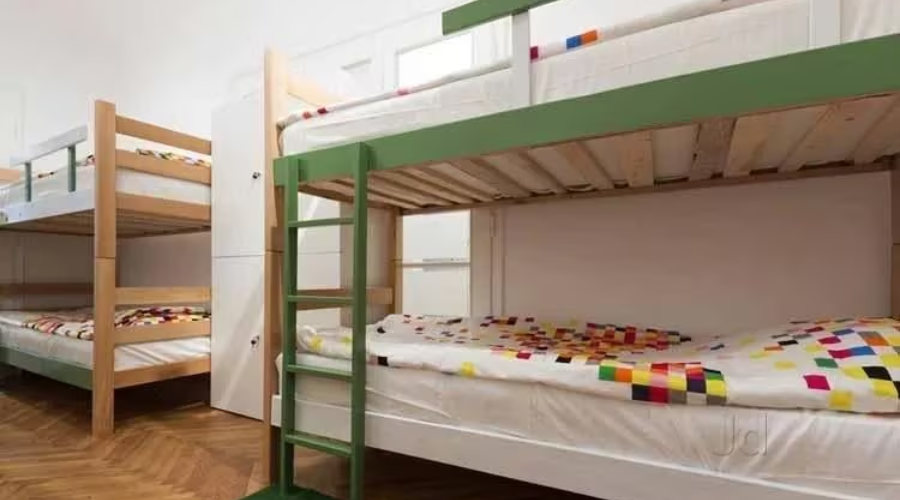
Dormitory-style hostels feature shared rooms with multiple beds, offering the lowest cost per night. These rooms often include lockers for security and communal bathrooms. While privacy is limited, dorms foster social interaction and provide the quintessential hostel experience. Travelers can meet people from around the world, share stories, and even plan group outings.
Some dorms are gender-specific or mixed, offering flexibility for travelers’ comfort preferences. Modern dormitories prioritize cleanliness, noise management, and storage solutions, ensuring that affordability does not compromise quality.
Private Rooms: Comfort on a Budget
Many hostels now offer private rooms, allowing guests to enjoy privacy and quiet without paying hotel prices. These rooms often include en-suite bathrooms, workspaces, and sometimes even kitchenettes. Private hostel rooms are ideal for couples, business travelers, or those who prefer solitude while still benefiting from the communal hostel environment.
Private rooms bridge the gap between traditional hotels and budget hostels, providing a cost-effective option for travelers who want comfort and independence while still enjoying hostel perks such as community areas and social events.
Boutique and Themed Hostels: Style and Unique Experiences
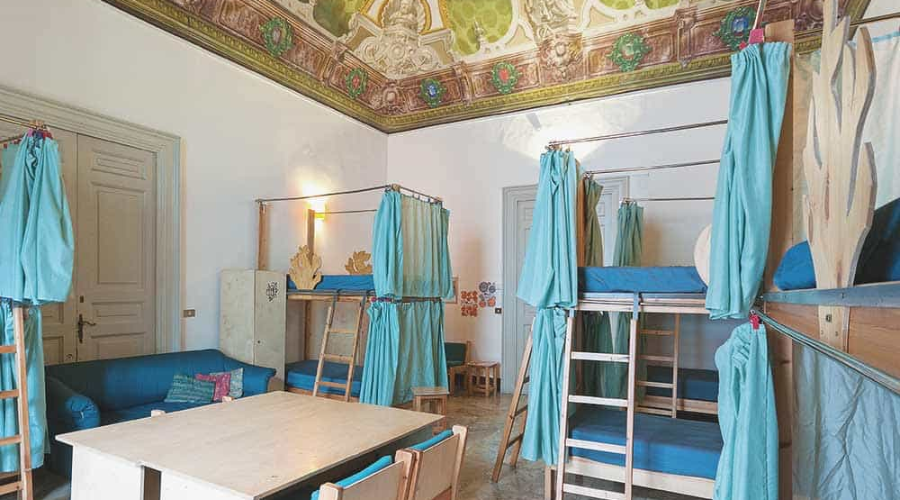
Boutique hostels combine affordability with style, offering modern design, curated décor, and specialized experiences. Some hostels focus on themes, such as art, music, eco-tourism, or wellness, creating a distinctive atmosphere for guests. These properties often include amenities such as rooftop terraces, communal lounges, coworking spaces, and curated local tours.
Themed and boutique hostels appeal to travelers seeking more than just a bed—they provide an immersive environment that reflects the local culture, lifestyle, and creativity of the destination, making even a budget stay feel unique and memorable.
Family-Friendly and Long-Term Hostels
While hostels are often associated with solo travelers and backpackers, many now cater to families and long-term stays. Family-friendly hostels provide private rooms, kitchen access, and child-safe amenities, allowing parents to enjoy cost-effective accommodation without sacrificing convenience or comfort.
Long-term hostels, popular with digital nomads, offer work-friendly spaces, high-speed internet, and community networking opportunities. These hostels provide a sense of stability and community for extended stays while keeping costs manageable.
Tips for Choosing the Right Hostel Stay
Selecting a hostel requires research and planning to ensure a safe, comfortable, and enjoyable stay. Here are key considerations to guide your decision:
Prioritize Location
A hostel’s location significantly affects convenience, safety, and access to attractions. Choose properties near public transportation, city centers, or points of interest to reduce travel time and expenses. Consider neighborhood safety and noise levels, particularly if you value rest and privacy.
Evaluate Cleanliness and Amenities
Check reviews for cleanliness, bathroom facilities, and general maintenance. Modern hostels often provide essentials such as towels, linens, Wi-Fi, and secure lockers. Additional amenities like communal kitchens, coworking spaces, or social events can enhance the overall experience.
Consider the Social Atmosphere
Hostels vary in atmosphere from quiet, study-friendly spaces to lively party-focused dorms. Determine what kind of social environment suits your preferences. Solo travelers might prefer hostels with active social events, while those seeking rest may choose quieter, boutique-style properties.
Read Reviews and Verify Safety
Online reviews offer insights into previous guests’ experiences, including safety, staff responsiveness, and overall quality. Check for secure access, proper lighting, and other safety features to ensure peace of mind during your stay.
Plan for Budget and Flexibility
Consider the total value of your stay, including amenities, location, and social experiences, not just the nightly rate. Some hostels offer discounts for longer stays or include perks like breakfast, free tours, or airport transfers. Flexible booking policies can also be important for travelers with uncertain schedules.
Conclusion
Hostels have come a long way from their humble origins. Today, they provide clean, safe, and affordable accommodations that cater to modern travelers’ needs without sacrificing comfort, style, or social opportunities. With options ranging from traditional dormitories to boutique or family-friendly hostels, budget travelers can find stays that suit their preferences while keeping costs low.
